What is the Best Age to Start Preschool?

What is the Best Age to Start Preschool?
Typically, kids are around 3 to 4 years old when they begin preschool. At this age, children usually have some independence and social skills while being ready for more structured learning environments. If you’re considering a preschool in Peoria IL, for your child, it’s essential to evaluate their readiness for this milestone. However, every child is different in terms of readiness, so it’s important to consider your child’s unique needs and development. Some kids might benefit from starting at a preschool in Peoria, IL, earlier or later based on their maturity level and preparedness for a classroom setting. Ultimately, trust your parental instincts and choose a timing that feels right for both you as a parent and your child when deciding on enrolling them in a preschool in Peoria, IL.
When to Start Preschool?
Most children usually begin preschool around the ages of 3 to 4, although this may differ based on their individual readiness and family situation. Starting earlier could be advantageous for those who demonstrate a keenness for socializing with peers, whereas some might require additional time at home before moving into a formal learning setting.
Consider Your Child’s Readiness
Preparing your child for preschool plays a vital role in laying the foundation for a positive educational journey. Some key indicators of readiness include having basic communication skills, showing curiosity about their surroundings, and being able to follow simple instructions. It’s important to observe how your child interacts with others and their environment to assess their social and emotional growth.
Each child progresses at their own pace, so there is no one-size-fits-all approach when determining if they are ready for preschool. While some children may naturally be enthusiastic and socially adept early on, others might benefit from more time at home before starting formal schooling. Trusting your parental instincts can help you make the best decision based on what suits your child’s individual needs.
Consider how well your child copes with separation from you or other caregivers as this can impact their transition into a school setting. If they display signs of independence, adaptability, and comfort in spending time away from home briefly, they may be better prepared for preschool. However, if separation anxiety is prevalent, it could be helpful to focus on building confidence before enrolling them in preschool programs.
The Pros & Cons of Early Childhood Education
Pros
- Boosts brain development
- Strengthens social skills
- Cultivates a passion for lifelong learning from a young age
- Establishes daily habits and organization
Cons
- Pushing oneself too hard can lead to burnout or stress
- Some families may find the cost prohibitive
- Structured education may not be suitable for all children at a young age due to varying developmental readiness levels
- Early academic pressure could negatively affect mental health
The Importance of Play
Play isn’t just a fun activity for kids; it’s a key part of their growth. Through play, children pick up important skills like problem-solving, creativity, and socializing. It helps them understand the world around them better and builds cognitive abilities that set the stage for future learning.
Moreover, playing lets kids dive into their interests and passions in a safe space. Whether they’re pretending to be someone else or building things with blocks, children get to try new things and find what makes them happy. This kind of exploration sparks curiosity and independence that will serve them well as they grow older.
On top of boosting emotional intelligence, play also improves physical health by encouraging movement and exercise. Outdoor games such as running, jumping, and climbing not only build strength and coordination but also enhance overall well-being. By regularly engaging in active playtime, kids develop healthy habits that can lead to lasting fitness throughout adulthood.
Social Development Benefits
Enrolling your child in preschool at the right age can greatly boost their social development. Preschool offers a structured setting where kids learn to play and interact with others, share, take turns, and communicate effectively. These early interactions help children develop essential social skills that lay the groundwork for future relationships and collaborations.
Furthermore, being around diverse groups of peers in preschool helps instill empathy, tolerance, and respect for differences among individuals. Through engaging in play-based activities and group projects, children grasp the importance of teamwork, problem-solving abilities, as well as conflict resolution – all crucial skills that benefit them throughout their lives. By actively participating in various social scenarios under experienced educators’ guidance; children grow confident navigating different situations while establishing meaningful connections with their friends.
Optimal Preschool Enrollment Age for Child Development
| Age (years) | Cognitive Development | Social Development | Emotional Development | Physical Development |
| 2 | Developing basic language skills, problem-solving abilities, and memory capacity | Beginning to interact with peers, learning to share and cooperate | Establishing trust and secure attachments with caregivers | Improving fine and gross motor skills through play and movement activities |
| 3 | Expanding vocabulary, understanding cause and effect relationships | Enhancing social skills, practicing turn-taking and empathy | Identifying and expressing emotions, developing self-regulation | Refining coordination and balance, building strength and stamina |
| 4 | Strengthening critical thinking skills, exploring more complex concepts | Forming deeper friendships, learning conflict resolution strategies | Building resilience and coping mechanisms | Enhancing hand-eye coordination, engaging in structured physical activities |
| 5 | Preparing for formal education, acquiring literacy and numeracy foundations | Collaborating in group settings, following rules and routines | Recognizing and managing different emotions effectively | Enhancing overall physical abilities, developing sportsmanship and teamwork |
Fostering Academic Growth
Encouraging academic development in kids means setting up an exciting atmosphere that motivates curiosity and discovery. When we offer chances for interactive learning, children can enhance important abilities like problem-solving, critical thinking, and creativity.
Exploring Flexible Enrollment Options
Preschools offer different enrollment options to give parents choices that fit their child’s needs and family schedule. Some preschools let kids start part-time, helping them get used to school gradually. Others have full-day programs for working parents who need extended care. Also, some preschools accept new students at various times throughout the year, not just during the usual academic calendar. By checking out these options, parents can pick a program that matches both their child’s readiness and their own scheduling needs.
Fascinating Myths and Facts About Preschool Enrollment
- ### Exciting Myths and Facts About Choosing a College Major
- **Myth:** Deciding on a college major early limits career options.
- – **Fact:** Exploring different majors can actually broaden career opportunities by helping you discover your strengths and interests.
- **Myth:** Changing majors later in college will delay graduation.
- – **Fact:** Research shows that students who switch majors to align with their passions often find greater success and fulfillment, regardless of the extra time it may take to graduate.
- **Myth:** College is solely about academic learning.
- – **Fact:** While academics are essential, college also offers chances for personal growth, networking, and skill-building through internships, clubs, and extracurricular activities.
- **Myth:** A specific major guarantees job success after graduation.
- – **Fact:** Success in the job market depends not only on your major but also on skills like communication, problem-solving, adaptability which can be developed through various experiences during your college years.
- **Myth**: Prioritizing earning potential over passion when choosing a major is key
- – **Fact**: Finding a balance between passion & financial stability is crucial; pursuing something you’re passionate about increases motivation & satisfaction while considering future prospects helps secure long-term stability post-graduation too
Role of Parental Involvement
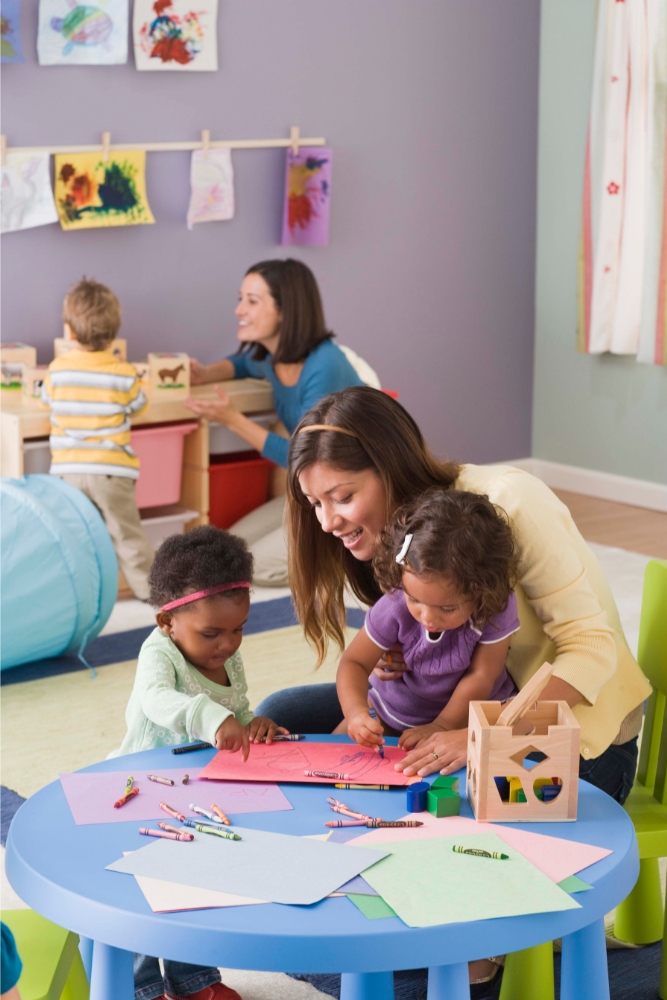
Parental involvement is key in shaping a child’s preschool experience and boosting their development and academic achievements. When parents take an active role in their child’s preschool activities, it not only strengthens the parent-child relationship but also shows the child that education matters at home. Engaging with teachers, attending school events, and volunteering in classrooms can create a supportive atmosphere where children are motivated to learn and discover new things.
Furthermore, parental involvement helps parents stay up-to-date on their child’s progress and identify any areas needing extra support or attention. By regularly communicating with teachers and participating in educational discussions at home, parents can help reinforce what kids are learning at school. This teamwork between parents and educators builds a well-rounded learning environment that nurtures overall growth in children while preparing them for future academic challenges ahead.
Summer Camp at River City Preschool
Ages 5–12 · May 28 – Aug 9 · 7am–5pm · Swimming, Sports, Field Trips & Meals included!
Preparing for Preschool Transition
Enrolling your child in preschool marks a major milestone for both you and your little one. Typically, kids start preschool between the ages of 3 to 4 years old. However, every child is different, so it’s important to think about factors like their social skills, communication abilities, and how well they follow directions. If your child shows curiosity, gets along with others easily, and can express themselves independently, then they might be ready for this new adventure.
Transitioning into preschool can bring excitement but also some nerves for both children and parents. To make this process smoother, begin by getting your child used to the idea of school through books or pretend play at home. Visiting the preschool together before starting officially allows them to check out the place and meet teachers beforehand. Keeping a positive outlook about this new chapter will help boost confidence in your young learner as they step into this educational journey.
While emotional readiness is key for a parent-child duo preparing for the shift into preschool life, practical aspects are just as crucial. Make sure all essential paperwork is done early on and that any needed supplies or uniforms are sorted out ahead of time. Establishing routines at home similar to what they’ll encounter at school can assist in an easier transition once classes kick off.
Encouraging independence in simple tasks like dressing themselves or cleaning up toys nurtures self-reliance that will serve them well during their time in preschool. Additionally, practicing basic skills such as using scissors or holding pencils helps develop fine motor skills necessary for early learning activities at school.
Choosing the Right Preschool Start Age
Deciding when to start preschool can be a crucial choice for parents. While there isn’t a one-size-fits-all answer, experts typically suggest enrolling kids in preschool between ages 3 and 4. At this point, most children have developed basic social skills and are prepared to interact with others in a structured environment. However, some kids may find it beneficial to begin earlier or later depending on their unique needs and developmental readiness.
Parents should take into account factors like their child’s personality, level of independence, and prior experience in group settings when determining the best age to start preschool. Wondering what age you can legally drop out of school in Peoria? Starting early can help nurture independence and early learning abilities while providing chances for social engagement. On the flip side, delaying entry into preschool allows more time for emotional growth and could result in an easier transition when the time comes. Ultimately, paying attention to your child’s signals and seeking advice from educators can assist you in making an informed decision about initiating their journey into preschool.
FAQ
What is the ideal age to enroll my child in preschool?
Typically, parents should consider enrolling their child in preschool around the ages of 3 to 4 years old.
How can I determine if my child is ready for preschool?
By watching how well your child can follow simple instructions, engage with other children, and demonstrate independence in basic tasks, you can gauge their readiness for preschool.
Are there any benefits to starting preschool at an earlier age?
Enrolling in preschool earlier can help kids build social skills, independence, and a passion for learning during a key period of their mental and emotional growth.
Will my child miss out on social development if they start preschool too late?
Starting preschool at the right age helps children develop vital social skills, but it’s always possible to start cultivating these abilities later in life through various activities and interactions.
How can I support my child’s transition to preschool?
Support your child’s adjustment to preschool by creating a regular schedule, discussing school in a positive light, touring the preschool ahead of time, and slowly extending separation periods.
What factors should I consider when deciding on the perfect preschool start age for my child?
Consider your child’s individual readiness, social development, and the requirements and benefits of the program when deciding on the ideal preschool start age.
More Ways to Make the Most of River City
Exclusive programs and perks for River City Preschool families
Summer Camp 2026
A full summer of swimming, sports, field trips, and fun for kids ages 5–12. May 28 – August 9, 7am–5pm. Breakfast, lunch & snacks included!
Swimming Lessons
Expert swim instruction for all ages — from Baby Sharks (12mo+) to competitive Team Training. Build confidence and water safety skills.
50% Off The Clubs at River City
As a River City Preschool family, you get an exclusive 50% discount on membership — pools, tennis, fitness, and so much more!
More From River City Preschool


