Is Preschool and Pre-K the Same?
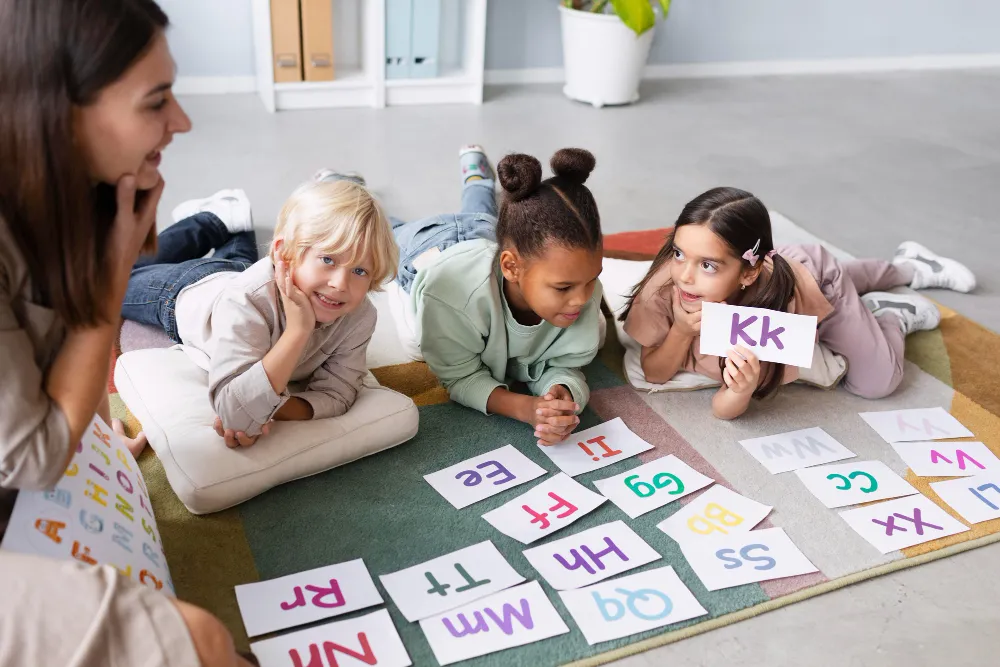
Is Preschool and Pre-K the Same?
Recent studies show that 85% of parents struggle to understand the difference between preschool and Pre-K programs when choosing early education for their children. We’re here to clear up this common confusion that many families face during this vital decision-making process. While both options support early childhood development, they serve distinct purposes and age groups, with specific approaches to learning and preparation. Let’s explore how these programs uniquely shape your child’s educational foundation.
Key Takeaways
- Preschool and Pre-K are distinct programs, with preschool focusing on play-based learning while Pre-K emphasizes structured academic preparation.
- Preschool serves children ages 2-4, whereas Pre-K specifically targets 4-5 year olds preparing for kindergarten.
- Pre-K incorporates formal academic content and early literacy skills, while preschool concentrates on basic concepts through creative activities.
- Both programs share common elements like social-emotional development and structured routines, but Pre-K offers more advanced learning challenges.
- Preschool builds foundational skills through play, while Pre-K provides targeted instruction to ensure kindergarten readiness.
Understanding the Key Differences Between Preschool and Pre-K
While many parents use the terms “preschool” and “pre-K” interchangeably, these early childhood programs have distinct differences in their approach and purpose.
Let’s explore what makes each unique.
Preschools focus on play-based learning, fostering creativity and social skills through less structured environments. They’ll introduce basic concepts like colors and numbers through engaging activities.
Pre-K, on the other hand, offers more structured learning experiences to prepare children for kindergarten.
You’ll find formal academic preparation, including early literacy and numeracy skills, with activities specifically designed to guarantee a smooth shift into elementary school.
Age Requirements and Development Stages
The age requirements for preschool and pre-K programs reflect important developmental milestones in a child’s early education journey.
We typically see children ages 2-4 in preschool programs, where they’re developing social skills and independence through play-based learning.
Pre-K programs, designed for 4-5 year olds, offer more structured activities to prepare children for kindergarten success.
While age is a key factor, we’ll also consider your child’s individual development.
Preschoolers should be potty trained and ready for group activities, while pre-K students need to demonstrate readiness for more advanced learning challenges and structured environments.
Educational Goals and Learning Methods
Understanding the distinct educational goals and learning methods between preschool and pre-K programs helps parents make informed decisions about their child’s early education journey.
While both approaches prioritize social-emotional development through play-based learning, we’ll notice some key differences. Pre-K incorporates more structured academic content, preparing children specifically for kindergarten with early literacy and numeracy skills.
Preschool, meanwhile, focuses on foundational development through teacher-directed play.
We’ve found that both programs excel at fostering independence, critical thinking, and problem-solving abilities through their unique blend of individual exploration and group activities.
Summer Camp at River City Preschool
Ages 5–12 · May 28 – Aug 9 · 7am–5pm · Swimming, Sports, Field Trips & Meals included!
Daily Structure and Teaching Approaches
Building on our exploration of educational goals, let’s examine how preschool and pre-K programs organize their daily activities and teaching methods.
We’ve found that both settings follow structured routines that balance play-based learning with focused instruction. Throughout the day, children move between engaging circle times, interactive learning centers, and supervised outdoor activities.
Our qualified teachers use visual aids and hands-on materials while maintaining flexible schedules that adapt to each child’s needs. We incorporate regular clean-up routines and quiet times, creating an organized environment where children thrive through active exploration and guided discovery.
Benefits and Long-Term Impact on Child Development
Research consistently shows that both preschool and pre-K programs deliver powerful, lasting benefits for children’s development.
We’ve seen how these early learning environments strengthen cognitive skills, boost literacy, and enhance math comprehension in ways that persist throughout a child’s academic journey. Children who attend quality programs are more likely to graduate high school, attend college, and experience better life outcomes.
Beyond academics, we’re witnessing remarkable social-emotional growth. Children develop essential skills like sharing, empathy, and emotional regulation.
These foundational experiences translate into stronger relationships, better health outcomes, and increased civic engagement in adulthood.
Frequently Asked Questions
How Much Does Preschool and Pre-K Typically Cost per Month?
We typically see preschool and pre-K costs ranging from $400 to $1,300 monthly, though prices vary by location. Many states offer free programs or financial assistance for eligible families.
What Certifications and Qualifications Should Teachers Have for Preschool Versus Pre-K?
Like stepping stones on a career path, we’ll find preschool teachers need associate degrees or CDA credentials, while pre-K teachers must hold bachelor’s degrees and state teaching certifications.
Are There Government Subsidies or Financial Assistance Available for These Programs?
We’ve got several government subsidies available, including CCDF, Head Start, and state-funded pre-K programs. Many families can access tax credits and income-based assistance for early childhood education.
How Do Special Needs Accommodations Differ Between Preschool and Pre-K Programs?
Like stepping stones across a stream, we’ll see preschool accommodations focus on broad developmental support and play, while Pre-K accommodations target specific academic readiness skills with more structured, kindergarten-oriented modifications.
What Is the Typical Teacher-To-Student Ratio in Preschool Versus Pre-K Classes?
We typically see preschool ratios of 1:8, while Pre-K classes often run at 1:10. Both can vary by state and program, but they’re designed to maintain quality individual attention.
Final Thoughts
We’ve seen how Preschool and Pre-K serve distinct purposes in early childhood education. As highlighted in Is Preschool Cheaper Than Daycare?, cost considerations often influence a family’s decision, but understanding the unique roles of each program is just as crucial. At Little Learners Academy, 3-year-old Sophie thrived in preschool’s play-based environment, while her shift to Pre-K’s structured literacy program the following year prepared her perfectly for kindergarten. While both programs nurture young minds, they’re designed to meet different developmental needs at specific ages—making each valuable in its own right. Up next, Is Pre-K Really Necessary? takes a closer look at whether this extra year of schooling truly makes a difference.
More Ways to Make the Most of River City
Exclusive programs and perks for River City Preschool families
Summer Camp 2026
A full summer of swimming, sports, field trips, and fun for kids ages 5–12. May 28 – August 9, 7am–5pm. Breakfast, lunch & snacks included!
Swimming Lessons
Expert swim instruction for all ages — from Baby Sharks (12mo+) to competitive Team Training. Build confidence and water safety skills.
50% Off The Clubs at River City
As a River City Preschool family, you get an exclusive 50% discount on membership — pools, tennis, fitness, and so much more!
More From River City Preschool

