Do They Potty Train in Pre-K?
Do They Potty Train in Pre-K?
Just like learning to walk, potty training marks a major milestone that every child reaches at their own pace. We’ve seen Pre-K programs handle bathroom independence in various ways, from strict requirements to flexible approaches that support each child’s development. Let’s explore how different schools manage potty training, what parents should expect, and the essential strategies that help create successful changes into Pre-K classrooms.
Key Takeaways
- Pre-K programs generally expect children to be potty trained, but policies vary between private and public schools.
- Teachers assist with bathroom routines and accidents, but don’t provide full potty training instruction.
- Public Pre-K programs typically offer more flexibility and support for children still mastering potty training skills.
- Parents and teachers work together to maintain consistent bathroom routines and address any potty training challenges.
- Children should have basic bathroom independence skills before Pre-K, including communicating needs and managing clothing.
Pre-K Potty Training Requirements and Expectations
When it comes to potty training requirements in Pre-K settings, parents often face varying expectations across different programs.
While private preschools may require full potty training before enrollment, public Pre-K programs typically offer more flexibility and support during the training process.
We’ll often see different approaches based on available resources and teacher-to-student ratios.
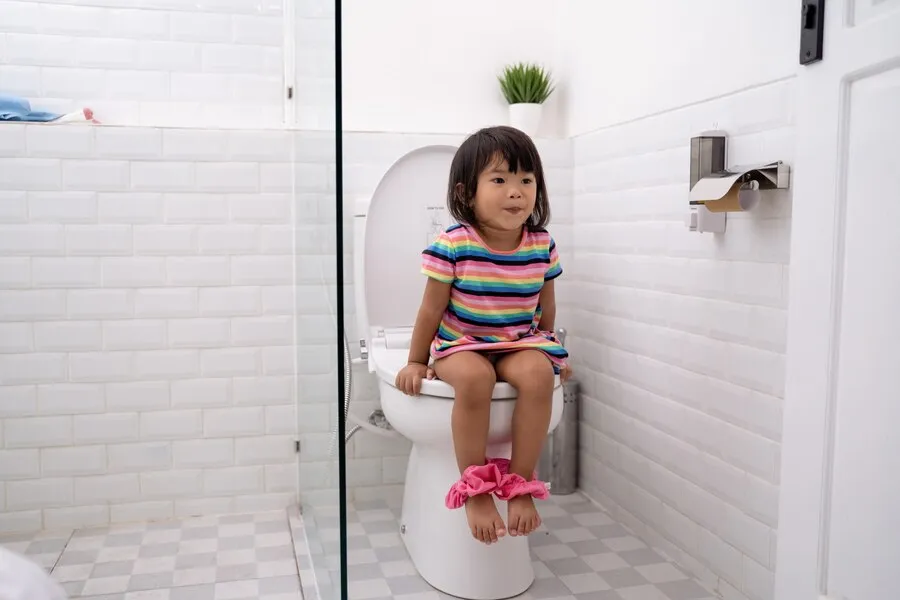
A child is considered toilet trained when they can communicate their needs, use the bathroom independently, and manage their clothing with minimal assistance.
Don’t worry if your child has occasional accidents – that’s completely normal, and most Pre-K programs understand these developmental milestones take time.
Working Together: Parents, Teachers, and Potty Training Success
Successful potty training relies heavily on the partnership between parents and teachers working in harmony.
We’ve found that daily communication, consistent routines, and shared strategies lead to better outcomes for children mastering this important milestone.
We recommend establishing clear expectations from the start.
Let’s share updates about your child’s progress, celebrate their successes together, and address any challenges promptly.
When we maintain open lines of communication and implement similar approaches at home and school, children feel more secure and confident in their potty training journey.
Summer Camp at River City Preschool
Ages 5–12 · May 28 – Aug 9 · 7am–5pm · Swimming, Sports, Field Trips & Meals included!
Preparing Your Child for Pre-K Bathroom Independence
Before your child begins Pre-K, developing bathroom independence becomes a significant milestone that’ll set them up for success.
We recommend dressing your little one in easy-to-manage clothing, like elastic-waist pants and slip-on shoes. Let’s practice essential skills together: pulling pants up and down, proper wiping techniques, and thorough hand washing.
Keep your child’s confidence high by maintaining consistent routines between home and school.
We’ll work as a team, ensuring your child’s backpack contains spare clothes for unexpected situations.
Frequently Asked Questions
How Do Teachers Handle Multiple Bathroom Emergencies at the Same Time?
We prioritize and handle emergencies one at a time while keeping other children safe. We’ll use nearby bathrooms, alert support staff when available, and maintain calm, structured responses.
What Happens if a Child Refuses to Use Unfamiliar Toilets at Pre-K?
While fear can paralyze, we’ll work together to make unfamiliar toilets less scary. We support children through positive reinforcement, comforting environments, and patience, ensuring they feel secure using pre-k bathrooms.
Should Children Wear Pull-Ups During Pre-K Naptime?
We’ll need to assess each child’s potty training progress and follow the center’s policy. While some kids need pull-ups during naps, others are ready for underwear full-time.
How Often Do Pre-K Teachers Sanitize Bathroom Facilities?
We sanitize our pre-K bathrooms multiple times daily, typically after each group’s bathroom visits and during scheduled cleaning periods. We also perform deep cleaning and disinfection at the start and end of each day.
Do Pre-K Teachers Help Children Wipe After Using the Bathroom?
While we might assume teachers help with everything, they typically don’t wipe children after bathroom use. Instead, they’ll provide wet wipes and encourage kids to clean themselves independently.
Final Thoughts
As the saying goes, “It takes a village to raise a child,” and we’ve seen how this rings especially true for potty training success in Pre-K. We’re committed to partnering with parents to support each child’s journey toward bathroom independence. While policies and approaches may vary, our shared goal remains clear – helping little ones develop confidence and self-care skills they’ll need throughout their educational journey.
More Ways to Make the Most of River City
Exclusive programs and perks for River City Preschool families
Summer Camp 2026
A full summer of swimming, sports, field trips, and fun for kids ages 5–12. May 28 – August 9, 7am–5pm. Breakfast, lunch & snacks included!
Swimming Lessons
Expert swim instruction for all ages — from Baby Sharks (12mo+) to competitive Team Training. Build confidence and water safety skills.
50% Off The Clubs at River City
As a River City Preschool family, you get an exclusive 50% discount on membership — pools, tennis, fitness, and so much more!
More From River City Preschool