Language Milestones Every Parent Should Know: Key Stages and How to Support Child Language Development

Key Language Milestones You Should Know for Your Child’s Growth
Children master foundational communication skills rapidly in their first five years, absorbing vocabulary and grammar at an astonishing pace. This guide on language milestones in early childhood empowers parents to recognize critical stages of receptive and expressive language, identify warning signs of delay, implement targeted activities, use milestone charts effectively, and access intervention resources. It begins by mapping core development stages, then explores signs of speech and language delay, offers activity strategies for each age group, explains chart-based tracking, and concludes with professional support options.
What Are the Key Language Development Stages in Early Childhood?
Language development stages define how children understand and produce speech, enabling effective communication and social interaction. These stages follow a sequence from early listening and pre-speech behaviors to complex sentence construction, supporting vocabulary growth and cognitive skills.
What Are Receptive and Expressive Language Milestones?
Receptive language refers to a child’s ability to comprehend words and instructions, while expressive language covers their capacity to use words, gestures, and sentences to convey meaning. Understanding both dimensions helps parents tailor support that boosts comprehension and self-expression.
- 0–6 months:Reacts to name and familiar voices through eye contact.Responds to simple instructions like “come here.”
- 6–12 months:Follows one-step directions paired with gestures.Uses gestures (pointing, waving) to express needs.
- 12–24 months:Understands 50+ spoken words and simple questions.Produces first meaningful words and two-word phrases.
- 2–3 years:Follows two-step commands and identifies objects by name.Combines three to four words into basic sentences.
These milestones illustrate the interplay between comprehension and expression, leading into age-based progression benchmarks.
How Do Language Milestones Progress from Birth to Age 5?
Mapping milestones by age enables parents to anticipate typical skills and guide practice routines that nurture emerging language abilities.
| Age Range | Comprehension Skills | Expression Skills |
| 0–12 months | Recognizes parent’s voice and name | Cooing, babbling, first words by 12 months |
| 1–2 years | Understands simple questions | Uses 2–3 word phrases, 50+ words |
| 2–3 years | Follows two-step directions | Constructs 3–4 word sentences |
| 3–4 years | Answers “what” and “where” questions | Uses plurals, pronouns, asks “why” |
| 4–5 years | Understands time concepts (today, later) | Tells stories, uses complete sentences |
Tracking these age milestones clarifies when to introduce targeted activities that reinforce specific skills.
Speech and Language Developmental Milestones
The National Institute on Deafness and Other Communication Disorders (NIDCD) emphasizes that the first three years of life are a critical period for acquiring speech and language skills due to rapid brain development. They provide a checklist of milestones for children from birth to five years, which serves as a guide to determine if a child is developing typically or may require additional support.
This source directly supports the article’s discussion on key language development stages and how language milestones progress from birth to age 5, highlighting the importance of early development.
What Are Typical Speech Milestones for Babies and Toddlers?
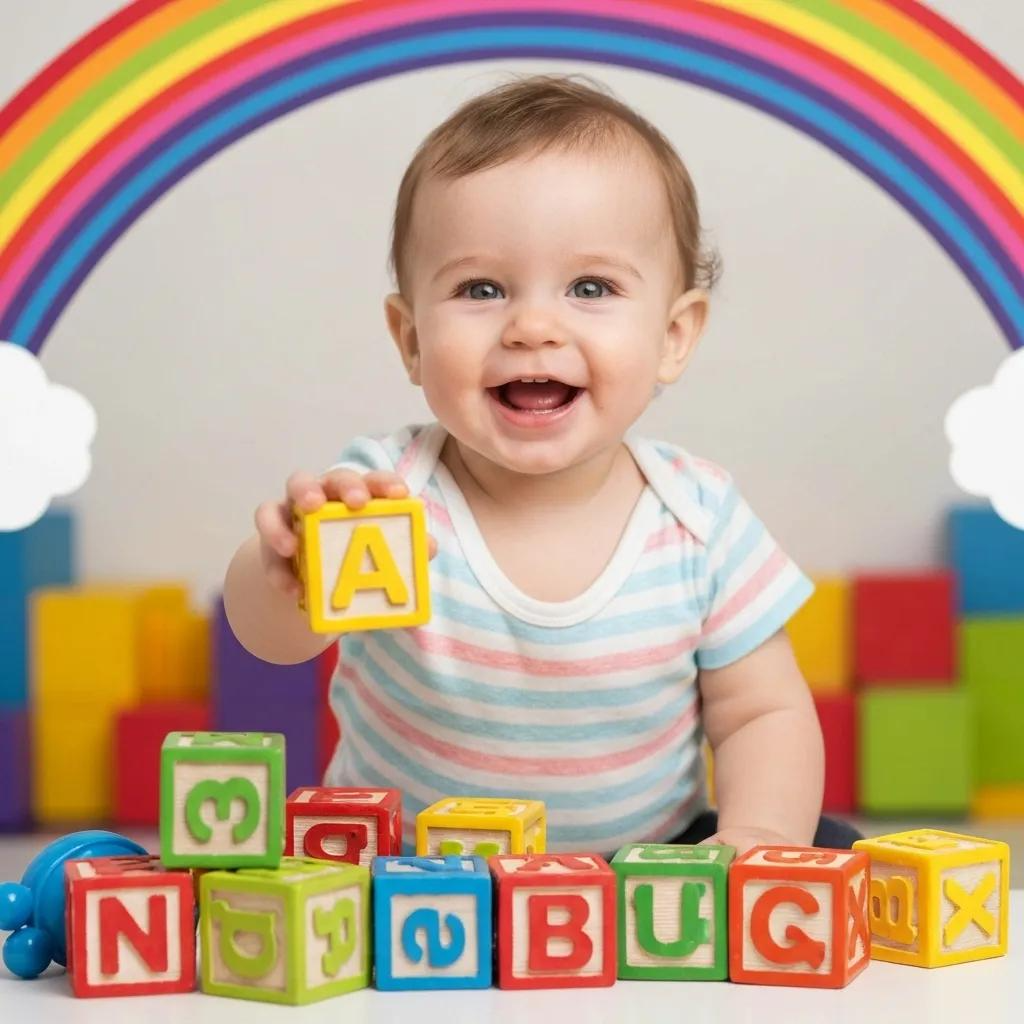
Speech milestones chart the emergence of sounds and words, reflecting neurological readiness and motor coordination essential for clear articulation and vocabulary expansion.
- 0–6 months – Cooing and vowel-like sounds begin rhythmic patterns.
- 6–12 months – Canonical babbling appears with consonant-vowel combinations.
- 12–18 months – First intelligible words emerge (e.g., “mama,” “ball”).
- 18–24 months – Rapid vocabulary spurt, typically 50+ words.
- 2–3 years – Two-word combinations develop into fuller sentences.
By aligning speech milestones with receptive and expressive benchmarks, parents can provide play and reading routines that accelerate vocal development and prepare for conversational fluency.
How Can Parents Recognize Signs of Speech and Language Delay?
What Are Common Red Flags for Language Delay by Age?
| Age Range | Warning Signs | Next Step |
| 0–12 months | No babbling or lacks varied sounds | Monitor auditory responses and routines |
| 12–24 months | Uses fewer than 15 words; no two-word combinations | Introduce enrichment activities and observe |
| 2–3 years | Unintelligible speech to familiar adults | Consult pediatrician or early intervention |
| 3–4 years | Difficulty following simple stories or questions | Seek speech-language pathologist review |
| 4–5 years | Limited sentence complexity or poor storytelling | Plan formal assessment and support |
How Do Speech Delay and Language Delay Differ?
Speech delay reflects difficulties in articulation or producing sounds, whereas language delay involves challenges in understanding or using vocabulary and grammar. Distinguishing between them ensures correct referrals and tailored therapy plans.
When Should Parents Seek Professional Help for Speech Concerns?
Early evaluation enhances outcomes by targeting interventions during sensitive periods of brain plasticity. Parents should pursue professional help when a child:
- Exhibits persistent speech errors beyond expected ages.
- Struggles to follow simple directions.
- Remains largely unintelligible to caregivers after age two.
- Shows frustration due to inability to express needs.
Timely referrals to a speech-language pathologist can improve long-term communication success.
What Are Effective Language Development Activities for Babies, Toddlers, and Preschoolers?
Engaging, age-appropriate activities stimulate neural pathways for language acquisition, reinforcing both receptive and expressive skills in natural contexts.
Which Activities Encourage Baby Language Development (0–12 Months)?
- Narrate daily routines with clear, simple phrases.
- Engage in turn-taking “conversations” of coos and gestures.
- Read colorful board books, pointing to objects.
These interactions strengthen auditory processing and joint attention, setting the stage for first words.
Summer Camp at River City Preschool
Ages 5–12 · May 28 – Aug 9 · 7am–5pm · Swimming, Sports, Field Trips & Meals included!
How Can Play Support Toddler Speech Milestones (1–3 Years)?
- Use toy animals to model animal sounds and names.
- Play “Simon Says” for action words and following directions.
- Sing nursery rhymes emphasizing rhymes and rhythm.
Interactive play fosters expressive experimentation and comprehension through context-driven practice.
What Are Fun Language Activities for Preschoolers to Build Vocabulary and Grammar?
- Invite children to retell simple storybooks using picture prompts.
- Play “I Spy” to encourage descriptive language (colors, sizes).
- Create treasure hunts with verbal clues and directional words.
These activities promote complex grammar use and narrative sequencing essential for school readiness.
How Can Parents Use Language Milestone Charts to Track Their Child’s Progress?
Milestone charts visually map expected skills, enabling parents to monitor development and adjust support strategies proactively.
What Does a Baby Language Development Chart Include?
A baby chart lists key receptive and expressive benchmarks such as cooing onset, response to name, babbling patterns, and first words. Parents can tick observed skills weekly to spot emerging trends.
How to Interpret Toddler and Preschool Language Milestones Charts?
Charts for ages 1–3 and 3–5 outline vocabulary size, sentence length, question-asking ability, and storytelling skills. Comparing a child’s performance against charted ranges helps determine if enrichment or evaluation is needed.
How Can Interactive Checklists Help Monitor Language Development?
Digital or printable checklists engage parents in active tracking by prompting observations, suggesting next-step activities, and flagging potential delays. Regular use builds confidence in supporting a child’s evolving communication.
What Resources and Early Intervention Options Are Available for Speech and Language Delays?
Accessing specialized support early can significantly improve language outcomes and school readiness.
What Are the Benefits of Early Intervention for Language Delays?

Early intervention leverages neuroplasticity to enhance speech and language pathways, leading to improved literacy, social skills, and self-confidence. Studies show children who receive therapy before age three demonstrate accelerated gains in communication and academic readiness.
Early Intervention for Toddlers With Language Delays: A Randomized Controlled Trial
A randomized controlled trial investigating early intervention for toddlers with language delays demonstrated that a structured program can enhance parent language facilitation strategies. The study highlights that early language delay is associated with potential long-term issues such as reading difficulties, persistent communication problems, and poor school readiness.
This research provides evidence for the benefits of early intervention for language delays, reinforcing the article’s section on the positive impact of timely professional help and the potential consequences of unaddressed delays.
How to Find a Speech-Language Pathologist and Local Support Services?
Parents can search state early intervention programs and pediatric therapy clinics, often covered by insurance. Local community centers, library story-time programs, and preschool environments serve as additional support hubs. Families exploring preschool placement can also review guidance on reducing costs—such as “Can I Deduct Preschool Tuition on My Taxes?”—to invest in enriching language-rich settings.
What Are Parent Success Stories and Expert Advice on Language Development?
Real-life accounts reveal that consistent reading rituals, responsive communication, and early therapy can transform a late-talker into a confident communicator by age five. Experts emphasize collaborative goal-setting with therapists and embedding language-boosting routines into daily family life.
Children’s language journeys progress through predictable stages that parents can support with targeted strategies, vigilant monitoring, and timely access to professional resources. Integrating age-appropriate activities, milestone tracking, and early intervention ensures every child builds the communication skills they need to thrive.
More Ways to Make the Most of River City
Exclusive programs and perks for River City Preschool families
Summer Camp 2026
A full summer of swimming, sports, field trips, and fun for kids ages 5–12. May 28 – August 9, 7am–5pm. Breakfast, lunch & snacks included!
Swimming Lessons
Expert swim instruction for all ages — from Baby Sharks (12mo+) to competitive Team Training. Build confidence and water safety skills.
50% Off The Clubs at River City
As a River City Preschool family, you get an exclusive 50% discount on membership — pools, tennis, fitness, and so much more!
More From River City Preschool