The Role of Play in Building Confidence in Young Children

Play is more than just fun and games for kids; it’s a really important way they learn and grow. Think about it – when kids are playing, they’re not just goofing around. They’re figuring things out, trying new stuff, and building up their own sense of what they can do. This article looks at how all that play time actually helps build play and confidence in children, making them feel more sure of themselves as they get older. It’s pretty amazing how much they learn when they’re just being kids.
Key Takeaways
- Play provides a safe space for children to explore, experiment, and learn from their own actions, which is a big part of building confidence.
- Letting children lead their own play and figure things out for themselves helps them feel capable and independent.
- Encouraging effort and celebrating small wins, rather than just perfection, helps kids develop persistence and a positive outlook when facing challenges.
- Through play, children naturally develop problem-solving skills, learn to manage their emotions, and build resilience by working through difficulties.
- Adults can boost play and confidence in children by being positive role models, showing how to handle setbacks, and encouraging them to try new things.
The Power Of Play For Building Confidence
Play As A Foundation For Growth
Think about it: when kids are playing, they’re not just messing around. They’re actually building the groundwork for so much of their development. Play is how they figure out the world, test their ideas, and learn what they’re capable of. It’s like their own personal laboratory where they can experiment without real-world consequences. This exploration is super important because it helps their brains grow and connect in new ways. When they’re allowed to lead their own play, they start to feel a sense of control and ownership over their learning, which is a big step.
Why Play Is Essential For Children
Play isn’t just a fun break from ‘real’ learning; it is real learning. It’s how children naturally process information, develop social skills, and build physical abilities. Through play, they learn to share, negotiate, and understand different perspectives. They also get to practice moving their bodies, building coordination and confidence in their physical selves. Without enough play, kids can miss out on developing these key areas that help them thrive.
The Link Between Play And Confidence
So, how does all this playing actually build confidence? Well, when a child tries something new during play, like building a tall tower or figuring out a new game, and they succeed, that’s a direct confidence boost. They learn that they can try things, work through them, and achieve a result. This feeling of accomplishment, no matter how small, is the bedrock of self-belief. It teaches them that challenges are not insurmountable and that they have the ability to figure things out. This positive feedback loop encourages them to take on more, try harder, and believe in themselves more.
Play gives children a safe space to try things out, make mistakes, and learn from them. This process is vital for developing a strong sense of self-efficacy and resilience.
Encouraging Independence Through Play
When kids get to call the shots during playtime, it’s a big deal for their confidence. Letting them lead the way means they’re making choices, figuring things out, and seeing that their ideas have value. It’s not about us stepping back completely, but about creating space for them to explore and try things on their own terms.
Letting Children Lead The Way
Think about it: how often do adults get to decide everything? Kids usually follow instructions, go where they’re told, and do what’s expected. Playtime can be a refreshing change. When a child gets to pick the game, decide the rules, or choose what to build, they’re practicing making decisions. This might look like a toddler deciding to build a tower with blocks instead of a car, or an older child inventing a new game with their friends. It’s about giving them that agency, that feeling of control over their own little world.
The Confidence Boost Of Doing It Themselves
There’s a special kind of pride that comes from accomplishing something on your own. When a child successfully puts together a puzzle, ties their shoes, or even just manages to pour their own juice without spilling (most of the time!), they feel a surge of capability. This isn’t just about the task itself; it’s about the internal message they receive: ‘I can do this.’ This feeling is a building block for tackling bigger things later on. It’s the quiet satisfaction of knowing you figured it out.
Taking On Challenges With Support
Independence doesn’t mean going it alone all the time. It also means learning to try, maybe struggle a bit, and then ask for help if needed. When a child is trying to build a complicated fort or solve a tricky game, they might get frustrated. Our role here is to offer support without taking over. We can ask questions like, ‘What have you tried so far?’ or ‘What do you think might happen if you tried this?’ This guides them to find their own solutions, building their problem-solving muscles and their belief in their ability to overcome obstacles. True independence is knowing you can try, and that help is available if you need it.
Here’s a simple way to think about supporting their independent play:
- Offer Choices: Instead of saying ‘Let’s play blocks,’ try ‘Would you like to build a tall tower or a long bridge with the blocks?’
- Provide Opportunities: Set aside time where they can play freely without constant adult direction.
- Observe and Step In Gently: Watch them play. If they’re stuck and getting upset, offer a gentle prompt or a question, rather than the answer.
- Celebrate Effort: Acknowledge their attempts and their persistence, not just the final outcome.
Problem-Solving Skills Developed In Play
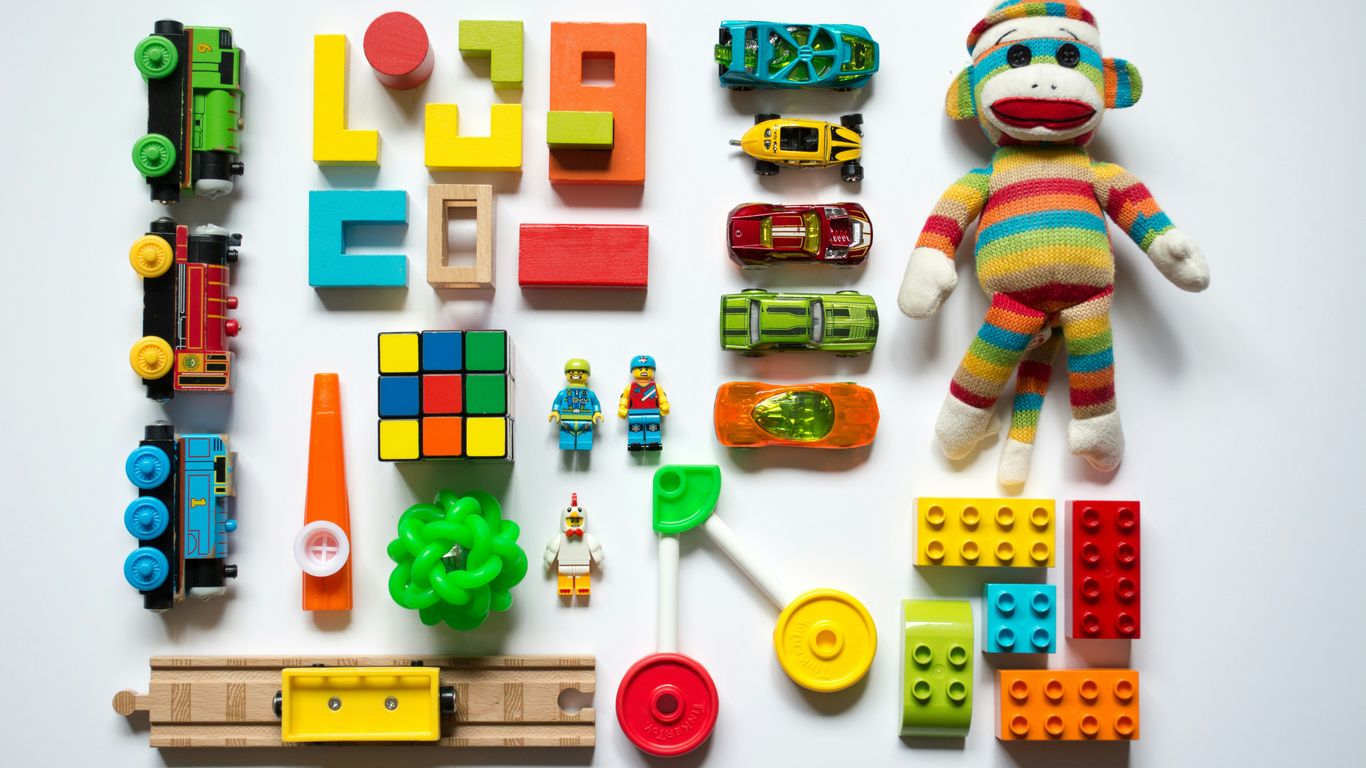
Playtime isn’t just about giggles and fun; it’s a fantastic training ground for figuring things out. When kids are playing, they’re constantly bumping into little challenges, and how they tackle these builds their confidence and problem-solving muscles. It’s where they learn to think on their feet.
Figuring Things Out On Their Own
Think about a toddler trying to stack blocks. They might try putting a big one on top of a small one and watch it tumble. Instead of getting upset, they might try a different block, or a different order. This trial and error is pure problem-solving in action. They’re experimenting, observing the results, and adjusting their approach without anyone telling them exactly what to do. This independent exploration is key to developing self-reliance. When they finally get that tower to stand, the sense of accomplishment is huge.
Breaking Down Big Tasks
Sometimes, a play scenario can seem a bit overwhelming. Maybe it’s building a giant fort out of blankets or setting up an elaborate pretend grocery store. Kids naturally learn to break these bigger goals into smaller, manageable steps. They might decide to gather all the pillows first, then find the sheets, and then figure out how to drape them. This ability to see a large task and then figure out the sequence of smaller actions is a really important skill that translates to schoolwork and life.
Learning From Mistakes During Play
Mistakes are just part of the game when kids play. If a drawing doesn’t turn out how they imagined, or a LEGO creation collapses, it’s not the end of the world. Instead, it’s an opportunity to learn. They might realize that certain colors don’t mix well, or that a particular structure needs a stronger base. This low-stakes environment allows them to see mistakes not as failures, but as feedback. They learn that it’s okay to try again, maybe in a different way, and that persistence often leads to a better outcome.
Play provides a safe space for children to test hypotheses, experiment with different solutions, and learn from the outcomes without fear of judgment. This process builds their confidence in their own ability to tackle challenges.
Here’s how play helps develop these skills:
- Experimentation: Trying different ways to make a toy work or build something.
- Observation: Noticing what happens when they try something new.
- Adaptation: Changing their approach based on what they observe.
- Persistence: Not giving up when something doesn’t work the first time.
The Role Of Effort In Building Confidence
Praising Progress, Not Just Perfection
It’s easy to get caught up in the end result, right? We see a finished drawing, a built tower, or a completed puzzle, and we want to praise our kids. But what about all the work that went into it? Focusing only on perfection can make kids afraid to try if they don’t think they can get it exactly right. Instead, let’s shift our attention to the effort they put in. When you notice your child really concentrating on a tricky building block, or carefully coloring within the lines, point that out! "Wow, you’re really trying hard to make that tower stand up tall!" or "I see how carefully you’re coloring that part." This shows them that their hard work is seen and valued, not just the final product.
Encouraging Persistence
Kids are going to hit walls. It’s a given. They might get frustrated when a puzzle piece doesn’t fit, or when they can’t quite tie their shoes. This is where persistence comes in. Instead of letting them just give up, we can gently encourage them to keep trying. Sometimes, all it takes is a little break and then coming back to it with fresh eyes. Or maybe they need a small hint, not the answer itself. "What have you tried already?" or "What else could you try with that piece?" can guide them without doing it for them. Learning to push through challenges, even when it’s tough, is a huge confidence builder.
Celebrating Small Wins
Think about it: when you accomplish something, even something small, it feels good. Kids are no different. We need to make sure we’re celebrating those little victories along the way. Did they finally manage to put on their own jacket? That’s a win! Did they figure out how to stack three blocks without them falling? Another win! These aren’t just minor events; they are proof to your child that they can do things.
Here’s a simple way to keep track:
- Task Attempted: Putting on socks
- Effort Shown: Trying different ways to get foot in, not giving up after first try
- Outcome: Socks on!
- Celebration: "You did it! You figured out how to get your socks on all by yourself! High five!"
These small celebrations add up, creating a positive feedback loop that encourages them to keep trying and build their belief in themselves.
Playful Learning And Confidence
Curiosity Fueled By Play
Play is how kids naturally explore the world around them. When they’re playing, they’re not just having fun; they’re actively learning. Think about it: a child building a tower with blocks isn’t just stacking them. They’re figuring out balance, gravity, and what happens when they add one more block. This kind of experimentation, driven by their own curiosity, is a huge confidence builder. They learn that they can try things, see what happens, and figure stuff out on their own. It’s this sense of agency, of being able to influence their environment, that really starts to build that inner belief that they can tackle new things.
Summer Camp at River City Preschool
Ages 5–12 · May 28 – Aug 9 · 7am–5pm · Swimming, Sports, Field Trips & Meals included!
Taking On Challenges In A Safe Space
Play provides a low-stakes environment for kids to try new things and, yes, sometimes fail. When a child is building a magnificent fort out of couch cushions, and it tumbles down, it’s not a disaster. It’s a chance to learn. They might get frustrated for a moment, but then they can try a different approach. Maybe they need to use heavier cushions at the bottom or find a way to prop it up. This process of trial and error, without the pressure of a grade or a big consequence, is where real learning happens. They learn that challenges are not roadblocks but opportunities to get creative. This is a big deal for developing a positive outlook on learning and problem-solving in general. It’s about learning to be okay with not getting it right the first time, which is a skill that serves them well beyond playtime. This kind of exploration is a key part of how children develop social skills before age five [0f31].
Developing A Positive Attitude Towards Challenges
When children are encouraged to play and explore, they naturally develop a more positive outlook on challenges. Instead of seeing something difficult as a reason to give up, they start to see it as a puzzle to solve. This shift in perspective is huge. It means they’re more likely to approach schoolwork, new activities, or even social situations with a ‘can-do’ attitude. They learn that effort matters and that persistence pays off. This playful approach to learning helps them build resilience, creativity, and a general belief in their own abilities. It’s about making learning feel less like a chore and more like an adventure, which is exactly what we want for our kids as they grow.
Social And Emotional Growth Through Play
Learning To Navigate Relationships
Playtime is like a mini-training ground for life, especially when it comes to figuring out how to get along with others. When kids play together, they’re not just building forts or racing cars; they’re learning the give-and-take of friendships. They learn to share toys (sometimes easily, sometimes not!), take turns, and figure out how to solve little disagreements that pop up. These everyday interactions are building blocks for understanding social cues and developing empathy. It’s in these moments, whether they’re negotiating who gets to be the superhero or deciding the rules of a game, that they start to grasp how their actions affect others. This practice helps them build confidence in their ability to connect with people and be part of a group.
Expressing Emotions Safely
Sometimes, kids have big feelings that are hard to sort out. Play offers a safe way for them to explore and express these emotions without real-world consequences. Think about a child who is frustrated with a puzzle; they might stomp their feet or sigh loudly. Or maybe they’re acting out a scenario with dolls where one character is sad – this can be their way of processing their own feelings. Through pretend play, they can be brave, scared, angry, or happy, trying on different emotional roles. This exploration helps them understand their own feelings better and learn healthy ways to show them. It’s a way to practice emotional regulation in a low-stakes environment.
Building Resilience Through Play
Life isn’t always smooth sailing, and play helps kids build up their inner strength to bounce back when things get tough. When a block tower tumbles down, or a game doesn’t go their way, children learn that it’s okay. They might feel disappointed for a moment, but then they can decide to rebuild the tower or try a different game. This process of facing a small setback, feeling the emotion, and then moving forward is how resilience is built.
Play teaches kids that mistakes aren’t the end of the world. It shows them they can try again, adapt, and keep going, which is a super important skill for facing bigger challenges later on.
Here’s how play helps build that grit:
- Trying new things: Play encourages kids to experiment, even if they aren’t sure they’ll succeed. This willingness to try builds confidence in their ability to handle the unknown.
- Overcoming obstacles: When a toy doesn’t work as expected or a game has tricky rules, kids have to figure it out. This problem-solving practice makes them feel more capable.
- Learning from ‘failures’: A game that doesn’t go as planned or a creative project that doesn’t turn out perfectly are opportunities to learn and adjust, rather than give up.
- Getting support: Sometimes, kids need a little help from a grown-up or a friend. Learning to ask for and accept help is also part of building resilience.
Being A Confident Role Model
Children Learn By Watching You
Kids are like little sponges, right? They watch everything we do, and honestly, sometimes it’s a bit scary how much they pick up. When it comes to confidence, seeing how you handle things is a huge part of their learning process. If you tend to get flustered when something goes wrong, or if you always seem to have the perfect answer, they might not learn how to work through their own bumps in the road. Showing them that it’s okay to not be perfect, and that you can figure things out even when they’re tough, is super important.
Sharing Your Own Challenges
It’s easy to want to shield our kids from our own struggles, but sharing a bit about your own challenges can actually be really helpful for them. Think about a time you had to learn something new, or when you faced a problem that felt big. You don’t need to go into all the nitty-gritty details, but explaining how you felt, what steps you took, and how you eventually got through it can be a powerful lesson. It shows them that everyone faces difficulties, and that persistence pays off. It makes your own struggles relatable and shows them a path forward.
Demonstrating How To Handle Setbacks
Life throws curveballs, and kids need to see how we deal with them. When something doesn’t go as planned – maybe a recipe doesn’t turn out right, or a project at work hits a snag – how do you react? Do you sigh dramatically and give up, or do you take a breath, figure out what went wrong, and try a different approach? Showing them that setbacks aren’t the end of the world, and that learning from mistakes is part of growing, is a massive confidence builder. It teaches them resilience and problem-solving in a very real, everyday way.
Here’s a little something to keep in mind:
When we model a calm and problem-solving approach to our own challenges, we give our children a blueprint for how to handle their own. It’s not about being perfect, but about being persistent and learning.
Think about these points when you’re interacting with your kids:
- Admit when you don’t know something: It’s okay to say, "I’m not sure, let’s find out together!"
- Talk through your thought process: Explain why you’re trying a certain solution.
- Show them it’s okay to feel frustrated: But then demonstrate how to move past that feeling.
- Celebrate small victories: Acknowledge when you’ve made progress, even if the final goal isn’t met yet.
Being a confident role model means showing others how to be brave and sure of themselves. When you act with confidence, you inspire those around you to do the same. It’s about believing in yourself and letting that shine through in everything you do. Want to learn more about building confidence? Visit our website today!
Wrapping It Up: The Lasting Power of Play
So, we’ve talked a lot about how play isn’t just some fun break from ‘real’ learning. It’s actually a super important way kids build up their confidence. When they get to try things out, mess up, and figure stuff out on their own during play, they learn they can handle challenges. It’s like they’re practicing being brave and capable. Remember, letting them try things themselves, even if it’s a bit messy or takes longer, is a big deal. It shows them you believe in them. And honestly, seeing them figure something out, big or small, is pretty awesome for them. So, keep encouraging that play – it’s building more than just fun memories; it’s building confident kids.
Frequently Asked Questions
How does playing help kids feel more confident?
When kids play, they get to try new things and figure stuff out on their own. Imagine building a tower with blocks – if it falls, they learn to try again differently. This process teaches them they can handle challenges and bounce back. Every little success, like finishing a puzzle or mastering a new game, adds up, making them feel like they’re capable and good at things.
Why is it important for kids to do things themselves?
Letting children do tasks for themselves, like getting dressed or helping with simple chores, shows them they can be independent. It’s like they’re saying, ‘Hey, I can handle this!’ This feeling of accomplishment is a huge confidence booster. It teaches them they have control over their actions and can contribute, which makes them feel more secure and capable.
How can parents help kids solve problems during play?
Instead of jumping in to fix everything, parents can ask guiding questions like, ‘What have you tried so far?’ or ‘What do you think might happen if you try this?’ This encourages kids to think for themselves. It shows them that you trust their ability to find solutions, and when they do, it’s a massive win for their confidence.
Should parents praise kids for trying or just for succeeding?
It’s way more helpful to praise kids for their effort and progress, not just when they get something perfect. If a child is learning to ride a bike and falls, praising their bravery for getting back up is more valuable than only praising them if they ride perfectly the first time. This teaches them that trying hard is important, even when things are tough.
How does play help kids deal with mistakes?
Play is a safe space to mess up! When a game doesn’t go their way or a drawing doesn’t look right, kids learn that mistakes aren’t the end of the world. They can try again, maybe in a different way. This builds resilience, teaching them that setbacks are just part of learning and that they can overcome challenges without feeling like a failure.
What’s the connection between play and social skills?
Playing with others, whether it’s sharing toys or working together on a pretend game, teaches kids how to get along. They learn to take turns, share ideas, and solve disagreements. Navigating these social situations helps them understand their emotions and how to interact with others, which builds their confidence in social settings.
More Ways to Make the Most of River City
Exclusive programs and perks for River City Preschool families
Summer Camp 2026
A full summer of swimming, sports, field trips, and fun for kids ages 5–12. May 28 – August 9, 7am–5pm. Breakfast, lunch & snacks included!
Swimming Lessons
Expert swim instruction for all ages — from Baby Sharks (12mo+) to competitive Team Training. Build confidence and water safety skills.
50% Off The Clubs at River City
As a River City Preschool family, you get an exclusive 50% discount on membership — pools, tennis, fitness, and so much more!
More From River City Preschool