How Preschool Builds Social Skills: What’s Actually Happening in the Classroom

Key Takeaways
Starting school is a momentous life event that shapes early social development through guided interaction and consistent support. Preparing children involves active modeling, routine building, and clear emotional dialogue between parents and teachers.
- Preschool acts as the foundational environment for learning crucial social skills like sharing and empathy.
- Fostering independence at home empowers children to handle self-help tasks with confidence at school.
- Consistent daily routines significantly decrease uncertainty and anxiety for young learners during transitions.
- Effective communication through role-playing and storytelling helps normalize the concept of a school day.
- Creating a predictable goodbye ritual and staying calm establishes a secure emotional bridge for separating from parents.
Understanding the social foundations of the preschool classroom
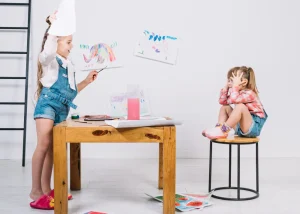
Preschool provides a unique social laboratory where children learn to navigate relationships beyond the safety of their immediate family. By engaging in structured group activities, children begin to realize that their actions impact others, which is the cornerstone of communal life. Educators at River City Preschool guide these interactions to ensure that play acts as a tool for development rather than a source of stress. This intentional approach allows young minds to grasp the rhythms of social cooperation naturally and effectively.
Learning to share and take turns
Sharing is rarely an innate skill and often requires significant practice in a supported group environment. In the classroom, children frequently navigate the tension between wanting a specific toy and the communal expectation of rotation. We emphasize the value of waiting for one’s turn as a way to prove that everyone in the group has equal access to enjoyment. Through these small repeated interactions, students learn that delayed gratification leads to more positive, long-term social play.
Navigating conflict with peers through resolution
Conflict is an entirely normal and expected part of the growth process when toddlers learn to express their needs simultaneously. When two children compete for the same object, our staff encourages them to use their words to express their perspective rather than reacting impulsively. This process teaches children that disagreement does not mark the end of a friendship but rather an entry point for creative problem-solving. Learning to negotiate these emotional hurdles helps children develop the resilience required for future collaborative work.
Building empathy through collaborative play
Collaborative play draws children out of their internal worlds and into a shared experience where they must consider another person’s emotions. By working on a block structure or painting a mural together, children practice reading non-verbal cues and adjusting their behavior to support the group outcome. Developing this awareness early on is essential, as understanding how a peer feels creates a stronger social bond and a more harmonious classroom climate.
How to prepare child for first day of preschool by fostering independence
When we think about how to prepare child for first day of preschool, the primary goal is to build autonomy so they feel capable in a new environment. Independence serves as a powerful shield against anxiety because it provides the child with a sense of control. By shifting small responsibilities from parent to child before the enrollment date, you demonstrate trust in their developing capabilities. River City Preschool encourages families to focus on these incremental steps to build confidence before the first bell rings.
Practicing daily self-help skills at home
Developing basic self-help skills is a profound boost to a child’s self-esteem when they arrive at school. Encourage your child to practice tasks like putting on their coat, fastening large buttons, or opening their own lunch containers. When a child can master these physical activities without needing direct adult intervention, they feel more equipped to handle the demands of a busy morning of learning and engagement. Keeping the focus on these skills reduces the mental load on the child while they process the larger aspects of being away from home.
Establishing routines that mirror the classroom schedule
Predictability is incredibly comforting for a young child who is facing the major transition of daily school attendance. You can start by observing the structure of your school day and gently integrating similar intervals for meals, resting, and playtime into your home life. When the home environment hums with a rhythm similar to the classroom, the shift becomes much less jarring for the child. This continuity helps them understand exactly what to expect from their day, minimizing the surprises that often lead to distress.
Encouraging confidence in new environments
Building confidence relies heavily on exploring new territories together in a low-stakes, safe way. You might visit local parks or libraries during different times of the week to introduce the sensation of being in a new space with other people present. By framing these outings as exciting explorations, you condition your child to view new settings as places for growth rather than sites of intimidation. This familiarity helps them navigate our campus with curiosity instead of fear.
Communicating about expectations and school life
Clear communication allows children to mentally rehearse their school experience long before the first day actually arrives. When you speak openly about the schedule or the social environment, you make the abstract concept of school feel concrete and manageable. It is important to keep the tone light and optimistic to match the curiosity children naturally possess. River City Preschool values this open dialogue as it aligns the expectations of the home with the educational reality of the classroom.
Talking through the typical daily flow
Understanding the rhythm of the day is a primary way to alleviate uncertainty for a preschooler. When you discuss the daily flow of the program, you give them a roadmap of the morning. Focus on the positive touchstones, like snack time or outdoor exploration, so they have an event to look forward to during their session. This mental preparation allows them to visualize themselves moving through the day successfully.
Role-playing common classroom scenarios
Pretend play is an excellent tool for preparing your child for the nuances of interacting with teachers and classmates. You can take turns acting out how to greet a friend, how to ask for help with a toy, or how to join a group activity effectively. By making this imaginative work fun, you lower the stakes of the real scenario when it inevitably occurs in the classroom. This playful practice helps anchor the expected behaviors into muscle memory when emotions are high.
Reading books about starting school to normalize the experience
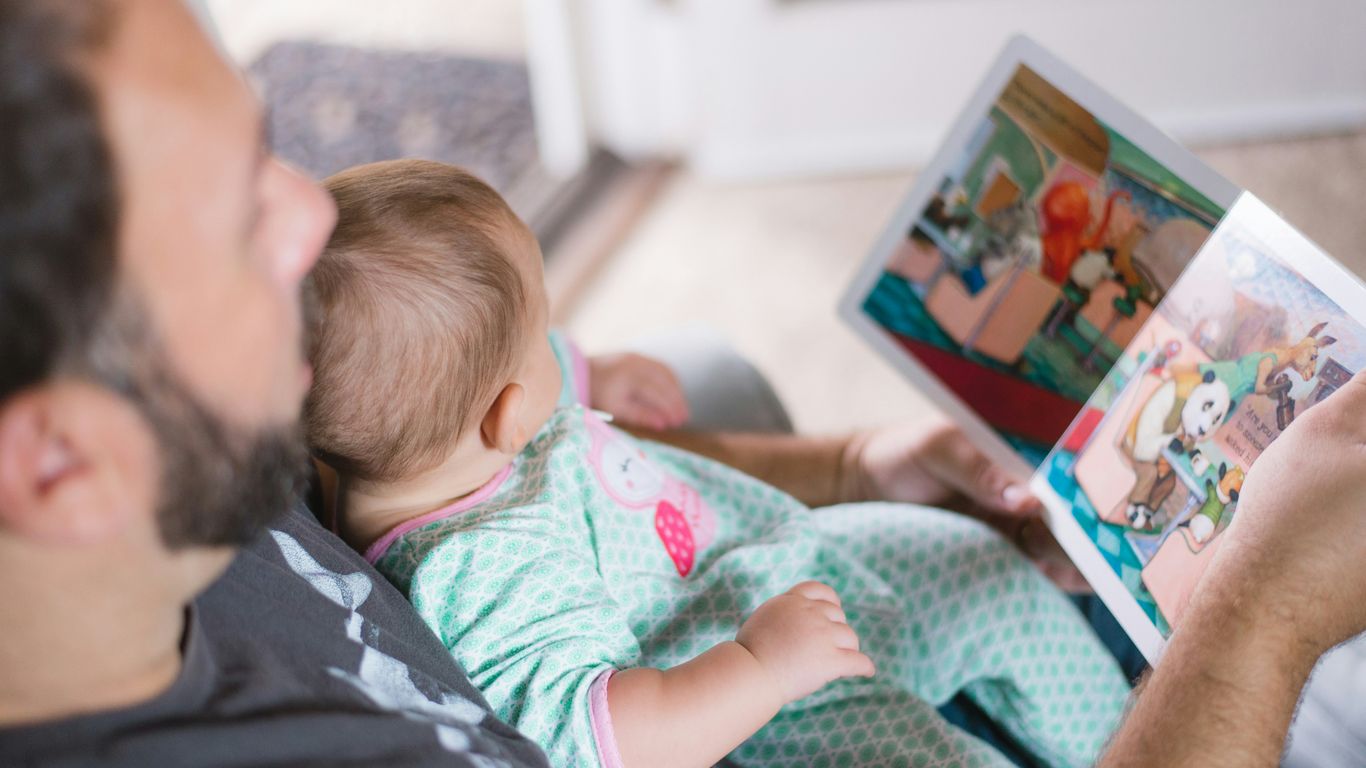
Books allow children to see characters who resemble them facing the same fears and excitements regarding starting school. Engaging with stories helps them recognize these big feelings as universal, which makes their own experience feel less isolating and scary. Ask questions while reading like, How do you think that character feels? to help them articulate their own emotions. This literary bridge is often the most effective method for normalizing the transition away from home.
Managing separation anxiety and transitions
Separation anxiety is a normal developmental milestone that reflects the strong attachment a child has to their primary caregiver. The transition from your care to the classroom requires patience and a steady, predictable approach. Instead of highlighting the time apart, we focus on the ritual of the return to build trust in the process. Navigating this stage requires you to manage your own emotional response as much as your child’s feelings.
Developing a consistent goodbye ritual
Rituals are the anchor of security in a chaotic morning schedule. Create a short, specific sequence—perhaps a high-five followed by a specific hug and a promise to see them at pick-up—and stick to it every single day. The consistency of this act allows the child to expect the departure and feel safe in the knowledge that you will return. Avoid drawing out the goodbye, as a crisp and loving exit usually helps the child refocus on their environment faster.
Summer Camp at River City Preschool
Ages 5–12 · May 28 – Aug 9 · 7am–5pm · Swimming, Sports, Field Trips & Meals included!
Using transitional items for emotional comfort
Transitional objects act as a tangible link between home and school, providing comfort when a child feels overwhelmed. Often, a small photo of the family or a familiar soft toy can bridge the gap during periods of intense separation emotion. This serves as a reminder that they are loved and that their two worlds are connected by the care they receive at home. Check your school’s specific policies on items brought from home to ensure they fit within classroom guidelines.
Keeping your own energy collected and calm during drop-off
Children are incredible mirrors; they often gauge how they should feel about a situation by watching your physical cues. If you approach drop-off with anxiety, your child will likely internalize that fear as their own reality. By staying calm, collected, and upbeat, you signal to your child that this is a safe, positive space to enter independently. Your confidence in the teacher and the program provides the exact stability your child needs to flourish.
Supporting emotional growth alongside your child
Supporting emotional growth involves active observation and a willingness to adapt your parenting as your child matures. It is a journey that improves as you stay connected with the educators who observe your child throughout the school day. Developing a close, communicative relationship with your, preschool programs team is a direct way to ensure support remains consistent. We are here to partner with you as your child navigates these vital developmental milestones.
Recognizing age-appropriate social milestones
Social maturity in a preschool context often appears as an increasing ability to regulate impulses and engage in longer stretches of cooperative play. You might notice your child becoming more aware of peer perspectives or showing an increased interest in collaborative games that require shared rules. These markers indicate that the classroom environment is successfully stimulating their social growth. Celebrating these small wins at home encourages the child to continue exploring their interpersonal abilities.
Partnering with teachers for consistent feedback
Teachers at River City Preschool see your child in a social setting that is distinct from the home, offering a unique perspective on their development. Regular communication with the staff allows you to align your support strategies, ensuring that home and school are reinforcing the same social strengths. When you and the teacher are on the same page, the child experiences a cohesive ecosystem that prioritizes their emotional well-being above all else. This collaboration is the most effective way to address specific adjustments.
Validating feelings during the initial adjustment period
The initial period of school is a significant life adjustment that may frequently surface intense emotions ranging from excitement to temporary sadness. When your child expresses frustration or apprehension, acknowledge those feelings without rushing to solve them. Simply stating that you understand why they might feel nervous helps them process the emotion and move toward resolution faster. This validation teaches children that they can trust their own feelings and that they have the internal resources to manage change.
Conclusion
Success in preschool is less about academic preparation and more about equipping children with the tools for social confidence, self-regulation, and emotional security. By fostering independence, maintaining consistent routines, and nurturing open lines of communication with their teachers, you create a supportive environment where your child can thrive. This transition represents a wonderful opportunity for your little one to stretch their wings, learn about the wider world, and gain the resilience that will serve them throughout their entire educational journey.
Frequently Asked Questions
Why is play considered the primary language of early learning?
Play allows children to internalize complex concepts like cooperation, patience, and spatial awareness without the pressure of formal instruction. Through imaginative role-play and physical activity, they learn how to relate to their peers and manage their emotions in a safe, low-stakes environment.
How long does it usually take for a child to adjust to a new preschool routine?
Adjustment periods are highly individual, ranging from a few days to several weeks. Consistency in morning routines and clear communication between home and school are the most significant factors in shortening the time a child needs to feel comfortable.
Should I worry if my child cries at drop-off for a few weeks?
It is common for children to have peaks of separation distress even after a week or two of seemingly smooth transitions. These moments are often transient, and a quick, consistent, and loving goodbye ritual usually helps the child re-engage with their classroom peers within minutes.
How can I help my child if they struggle with sharing at home?
Focus on turn-taking games that require waiting for a short duration, such as rolling a ball back and forth or waiting for a partner in a board game. Praising the child when they demonstrate patience helps reinforce the positive aspects of sharing over the frustration of losing possession of an item.
What do teachers look for when assessing school readiness?
Teachers generally look for a child’s ability to follow basic safety directives, express personal needs with simple words, and engage in social interactions without aggressive physical responses. They prioritize self-regulation and a willingness to explore new activities over specific academic knowledge like literacy or math.
Is it normal for my child to be more tired after school?
Preschool requires a high level of mental and social effort, as children are constantly learning how to navigate new dynamics and rules. This exhaustion is a physical marker of the learning process and is expected as they adapt to the increased energy demands of a full school day.
How can I make parent-teacher communication more effective?
Sharing small details about your child’s interests or any stressors currently occurring at home helps teachers support them more effectively. Maintaining a regular, positive, and collaborative approach ensures that both the parent and educator have a clear and accurate understanding of the child’s daily growth.
More Ways to Make the Most of River City
Exclusive programs and perks for River City Preschool families
Summer Camp 2026
A full summer of swimming, sports, field trips, and fun for kids ages 5–12. May 28 – August 9, 7am–5pm. Breakfast, lunch & snacks included!
Swimming Lessons
Expert swim instruction for all ages — from Baby Sharks (12mo+) to competitive Team Training. Build confidence and water safety skills.
50% Off The Clubs at River City
As a River City Preschool family, you get an exclusive 50% discount on membership — pools, tennis, fitness, and so much more!
More From River City Preschool