Kindergarten Readiness Checklist: Is Your Child Prepared for the Big Step?

Key Takeaways
Kindergarten readiness is a broad picture of development, not a pass-or-fail test. Use this checklist to notice what your child can do consistently and where gentle practice may help.
- Social confidence and emotional regulation matter as much as early academics.
- Children develop readiness skills at different rates.
- Everyday routines are useful opportunities to practice independence.
- Play can build communication, motor, counting, and problem-solving skills.
- Questions or concerns are best discussed with teachers, pediatricians, or specialists.
What kindergarten readiness really means
A kindergarten readiness checklist can help families organize their observations before a major transition. It should offer useful prompts, not a label for a child. Readiness includes social, emotional, communication, physical, and self-care skills alongside early literacy and math. The goal is to understand the whole child and support steady growth.
Readiness is more than knowing letters and numbers
Recognizing a few letters or counting objects can be helpful, but those skills are only part of the picture. A child may know the alphabet and still need support with waiting, listening, managing frustration, or asking to use the bathroom. Classroom learning depends on being able to participate, recover from small disappointments, and work near other children. The whole-child view gives families a more realistic way to think about preparation.
Readiness also does not mean a child must already read independently or complete every classroom task without help. Teachers expect children to keep learning. What matters is having enough foundational skills to engage with instruction and daily routines.
How children develop at different rates
Development is uneven by nature. One child may speak confidently but struggle with buttons, while another may have strong counting skills and feel hesitant in a group. Short periods of slower progress are not automatically signs of a problem, especially when a child continues to learn and participate.
Observe patterns over time rather than judging a single difficult morning. Comparing a child with classmates, siblings, or online milestone lists can create worry without providing useful direction. A calm conversation with a trusted adult who knows the child can add context.
The role of confidence, curiosity, and flexibility
Children bring important learning habits to school. A curious child who wonders how things work, tries again after a mistake, and accepts a change in plans is building readiness even when academic skills are still emerging. Confidence does not require being outgoing; a quiet child can be ready while taking time to warm up.
Offer small choices, invite questions, and let your child see adults make mistakes and try again. These ordinary moments build flexibility more naturally than drilling a long list of facts.
When school expectations vary by district or program
Kindergarten programs do not all use the same schedule, screening process, or classroom expectations. Local policies may address age cutoffs, attendance, toileting, meals, transportation, and the amount of independent work expected. Families in Peoria can review local information and ask a prospective school what the first weeks typically look like.
For broader context, this guide to kindergarten preparation skills can help families think about the transition across social, academic, language, and fine-motor areas. Use outside guidance as a starting point, then confirm specific expectations with the school your child will attend.
Social and emotional skills to look for
Social and emotional readiness shapes how comfortably a child enters a new group. Children do not need perfect self-control, constant cheerfulness, or advanced conflict-resolution skills. They are building readiness when they can connect with adults, practice cooperation, express feelings, and recover with support. These abilities grow through repeated experiences, not one-time tests.
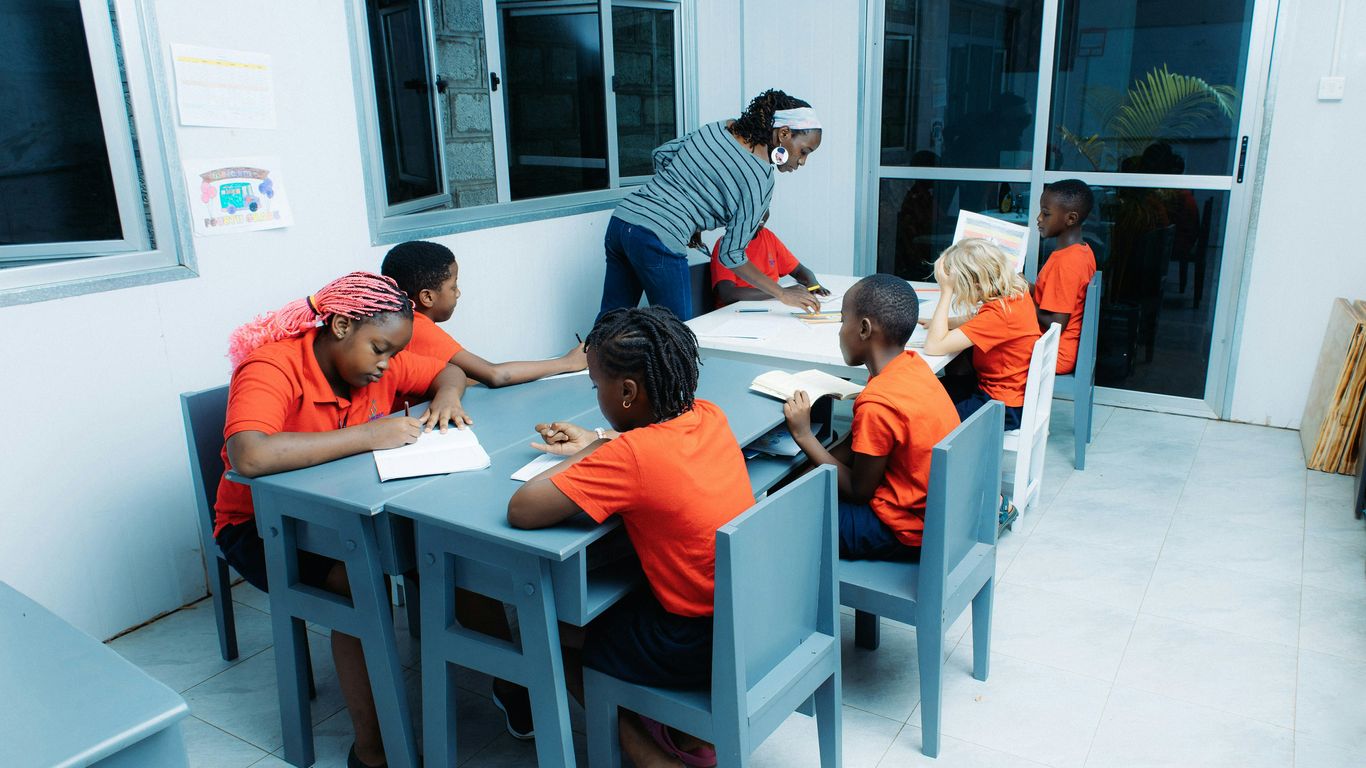
Separating from caregivers with growing confidence
Many children feel nervous when separating from a familiar adult, especially in a new place. A helpful sign is gradual recovery: the child may be sad at drop-off but can accept comfort, join an activity, or reconnect with a teacher. A predictable goodbye routine often works better than a long, uncertain departure.
Practice brief separations with trusted adults and explain when you will return using familiar events, such as after lunch or story time. Avoid promising that a child will not feel sad. Instead, show confidence that the feeling can pass.
Taking turns, sharing, and joining group activities
Kindergarten involves shared materials, group conversations, games, and collaborative projects. A child may still need reminders to wait or share, but should be getting opportunities to notice other people’s turns and participate with guidance. Joining a group for even a short activity is meaningful practice.
At home or in a community setting, use simple games that involve waiting, passing materials, and following a shared rule. Praise the behavior you want to see without demanding that every interaction go smoothly.
Managing big feelings and asking for help
Readiness is not the absence of tantrums or worry. It is the developing ability to name a feeling, use a calming strategy, move away from a conflict, or seek an adult. Children may need direct teaching for phrases such as “I need help,” “Can I have a turn?” or “I’m still using that.”
Adults can model these words during calm moments and practice them through pretend play. If a child becomes overwhelmed, start with connection and safety before expecting an explanation or apology.
Following routines and responding to adults
Young children benefit from knowing what comes next. Following a short direction, responding when an adult speaks, and moving through familiar routines are useful classroom foundations. At first, directions may need to be repeated, shown, or broken into smaller steps.
A preschool environment such as River City Preschool can give children repeated practice with group routines and transitions before kindergarten. Families can ask what routines their child already manages and then use similar language at home.
Communication and early learning skills
Communication helps children take part in nearly every classroom experience. Teachers need to understand a child’s questions, observations, needs, and concerns, while children need to understand directions and stories. Early learning readiness is less about reciting facts and more about noticing, wondering, responding, and trying.
Speaking clearly and expressing needs
A child should be developing ways to tell adults what they need, what happened, and how they feel. Speech does not have to sound perfect, and children who speak more than one language may show skills across languages. The useful question is whether familiar adults can generally understand the child and whether the child can communicate in everyday situations.
Invite conversation instead of relying only on yes-or-no questions. Ask what your child built, what was surprising, or what they would change. Give enough time for an answer rather than filling every pause.
Listening to stories and answering questions
Listening to a short story supports attention, vocabulary, memory, and understanding of sequence. Notice whether your child can answer simple questions, retell part of what happened, point out a character’s feeling, or make a prediction. These responses may be brief and still show active understanding.
Read favorite books repeatedly, pause to discuss pictures, and connect story events with your child’s experiences. Shared reading should feel like conversation, not an oral exam.
Recognizing names, letters, sounds, and basic words
Many children begin kindergarten recognizing their own name, some letters, and a few common sounds or words. They may also understand that print carries meaning and that books have a direction and order. Skills develop through exposure, conversation, writing attempts, signs, labels, and playful games.
At River City Preschool, families can use the child’s familiar interests—names, animals, vehicles, or favorite foods—to make print meaningful. Keep practice brief and stop while it is still enjoyable. Pressure can make a promising learning activity feel like a test.
Counting, sorting, and understanding simple patterns
Early math appears in ordinary activities. Children can count snacks, compare which group has more, sort laundry by color, notice shapes, and copy a simple pattern. Accuracy may vary when the objects are moved or when a child becomes distracted.
A small table can clarify what to observe without turning the process into a scorecard:
| Early math idea | Everyday observation | Gentle practice |
|---|---|---|
| Counting | Counts several objects, touching each once | Count steps, toys, or pieces of fruit |
| Sorting | Groups items by color, shape, or use | Sort socks, blocks, or buttons |
| Comparing | Notices more, fewer, bigger, or smaller | Compare cups, piles, or containers |
| Patterns | Copies or extends a simple sequence | Make patterns with sounds, beads, or blocks |
These examples are invitations rather than requirements. If a child loses track while counting, reduce the number of objects and focus on matching one number to one object.
Showing curiosity and participating in learning activities
Children show readiness when they ask questions, explore materials, listen to an explanation, and return to a task with encouragement. Participation may look different from child to child. Some children speak often, while others demonstrate interest through watching closely, building, drawing, or trying a new approach.
Offer open-ended materials and let your child make reasonable choices. A short activity that ends with “What do you think?” can build more engagement than a long lesson with one correct answer.
A kindergarten readiness video can be useful when it gives families another way to visualize routines and practice ideas. Watch together when possible, then turn the screen off and try one related activity in real life.
Independence and self-care skills
Self-care skills make the school day more manageable and give children a sense of control. Kindergarteners may still need occasional reminders or adult assistance, particularly with unfamiliar clothing, spills, or stressful moments. The aim is growing independence, not flawless performance.

Using the bathroom independently
Many kindergarten programs expect children to use the bathroom and manage basic hygiene with limited help. Readiness can include recognizing the need to go, handling clothing, flushing, and washing hands. Accidents can happen, especially during transitions or when a child is absorbed in play.
Practice calmly at home and make sure your child knows how to ask an unfamiliar adult for help. Families should also ask the school about its bathroom procedures and what support is available.
Washing hands, opening containers, and managing belongings
Lunch boxes, water bottles, coats, backpacks, and classroom materials can be surprisingly challenging for small hands. Let your child practice opening the containers they will actually use. Handwashing should include the basic sequence of wetting, soaping, rinsing, and drying.
A preschool setting such as River City Preschool may help children rehearse these daily tasks in context. At home, place belongings where your child can reach them and allow extra time for independent attempts.
Summer Camp at River City Preschool
Ages 5–12 · May 28 – Aug 9 · 7am–5pm · Swimming, Sports, Field Trips & Meals included!
Putting on clothing and handling basic fasteners
Children benefit from practicing coats, shoes, zippers, snaps, and large buttons before the school year begins. They do not need to dress quickly or handle every fastener perfectly. The useful skill is trying, recognizing when something is stuck, and knowing how to request assistance.
Choose clothing that is comfortable and manageable for the child’s current ability. Practice when no one is rushing out the door, and treat mistakes as information rather than failure.
Cleaning up and moving between activities
Classrooms ask children to put materials away and shift from one activity to another many times a day. A child may need warnings, visual cues, or a song to make transitions easier. Repeated routines help the sequence become familiar.
At home, give a short warning before cleanup, name the next activity, and use one clear direction at a time. A small cleanup job can build responsibility without making the whole room feel like a chore.
Knowing when and how to ask for assistance
Independent children are not children who never need help. They are learning to recognize a problem, try a safe first step, and tell an adult what they need. Practice specific language such as “Please help me open this,” or “I don’t understand what to do next.”
You can also teach your child which adults are available at school and what to do if the first adult is busy. This kind of plan can make unfamiliar situations feel more manageable.
Physical and classroom readiness
Physical readiness supports participation, comfort, and safe movement through the school day. Children need opportunities to use their hands, coordinate their bodies, sit for short periods, and rest well. These abilities develop through active play and ordinary routines rather than constant worksheet practice.
Building fine-motor skills for drawing and writing
Drawing, coloring, cutting, building, and manipulating small objects strengthen the hand skills used for classroom work. Watch for a child who can hold a crayon or pencil comfortably, make purposeful marks, and use tools with increasing control. The exact grip may continue to change.
Provide play dough, blocks, stickers, crayons, child-safe scissors, and paper. Follow your child’s interest: making a pretend menu or map can encourage more writing than a page of repeated lines.
Developing coordination through active play
Running, jumping, climbing, balancing, throwing, and catching help children navigate playgrounds and classroom movement. Coordination does not need to look polished. Frequent active play gives children chances to judge space, adjust their bodies, and build confidence.
Whenever possible, include outdoor time and varied movement. Keep safety boundaries clear, but allow children to experiment with manageable physical challenges.
Sitting, focusing, and working for short periods
Kindergarten attention is built gradually. A child may listen to a story, complete a puzzle, draw a picture, or participate in a game for a short period, especially when the activity is interesting. Attention can be affected by hunger, fatigue, noise, and unfamiliar surroundings.
Build stamina in small steps. Begin with an activity your child enjoys, remove unnecessary distractions, and gradually invite a little more time before offering a movement break.
Using classroom tools safely
Children should be learning to use pencils, scissors, glue, books, manipulatives, and playground equipment with care. Safety includes carrying tools appropriately, keeping materials in their workspace, and listening when an adult gives a safety direction.
Show the expected action, let your child practice, and correct calmly. A brief reminder is usually more effective than a long lecture after the fact.
Practicing rest, sleep, and morning routines
A consistent sleep schedule can make the first school weeks easier. Children also benefit from practicing the morning sequence: waking, dressing, eating, brushing teeth, gathering belongings, and leaving on time. The routine may need to be adjusted for the actual school start time.
Try the routine before the first day, including the walk or drive if possible. Prepare clothing and bags the night before, while still giving your child a small role in getting ready.
How to use the kindergarten readiness checklist
Use the checklist as a conversation starter and observation tool, not as a final verdict. Look for skills your child can use in ordinary settings, with reasonable reminders and without unusual pressure. Notice strengths first, then choose one or two areas to practice. A supportive plan is more useful than trying to correct everything at once.
Turn the checklist into a low-pressure observation
Observe during meals, playdates, errands, story time, and transitions. Write down what happened rather than assigning a score. For example, “put on coat with one reminder” tells you more than “not independent.” Revisit the same skill on different days so one tired or distracted moment does not define the picture.
Practice skills through everyday play
Play gives children a reason to use readiness skills repeatedly. Pretend school can introduce lining up, listening to a teacher, opening lunch, or asking for help without making the experience feel intimidating. Household tasks can build sequencing, coordination, language, and responsibility at the same time.
Useful practice can be as simple as:
- Playing a turn-taking board game.
- Sorting toys while cleaning up.
- Reading a story and retelling three events.
- Packing and opening a practice lunch.
Afterward, talk about what felt easy and what was frustrating. That reflection helps you adjust the next practice rather than simply repeating the same demand.
Identify strengths and areas that need support
A balanced review includes both. Strengths can become bridges to harder tasks: a child who loves drawing may be more willing to practice name writing, while a child who enjoys movement may learn counting through hopping. Choose small, observable goals and celebrate effort, communication, and persistence.
If a child needs support with several areas, prioritize the skills that affect safety, communication, participation, or daily comfort. Progress does not have to be dramatic to be meaningful.
Partner with teachers, pediatricians, or specialists
Share specific observations with the adults who know your child. Ask the school what skills are expected at entry, how classroom support works, and whether there are opportunities to visit. A pediatrician can discuss development and recommend appropriate resources when concerns persist.
Families considering early education can also review preschool readiness questions to think through separation, communication, self-care, and participation. River City Preschool is another local point of conversation for families exploring preschool experiences before kindergarten.
Know when additional evaluation may help
Consider asking for professional guidance if a child consistently struggles to communicate basic needs, follow ordinary directions, participate safely, manage daily self-care, hear or see clearly, or engage with others. Regression or a strong concern from several adults also deserves attention. Seeking an evaluation is not a prediction of failure; it is a way to understand what support may help.
Keep notes about what you observe, when it happens, and what makes the task easier or harder. Specific information can help professionals recommend next steps and can reassure families when a concern turns out to reflect a temporary challenge or a mismatch in expectations.
Conclusion
Kindergarten readiness grows through relationships, play, routines, and patient practice—not through a single test or a perfect checklist. Notice your child’s developing strengths, support the next small step, and ask questions when you need a clearer plan. Families in Peoria who want to explore a preschool setting can contact River City Preschool and start an enrollment conversation.
Frequently Asked Questions
What should a child know before kindergarten?
A child may benefit from recognizing some letters and numbers, listening to stories, communicating needs, counting small groups, and participating in simple learning activities. These skills are only one part of readiness, alongside social, emotional, physical, and self-care development.
Does my child need to read before kindergarten?
No. Early exposure to books, print, letters, and sounds is helpful, but children enter kindergarten with different levels of literacy experience. Interest in stories and willingness to engage with language are valuable foundations.
How independent should a kindergartener be?
Children are generally helped by being able to use the bathroom, wash hands, manage basic clothing and containers, care for belongings, and ask for assistance. Occasional reminders and help are still normal, especially in a new environment.
What if my child cries at drop-off?
Crying can be a normal response to separation and does not automatically mean a child is unready. A predictable goodbye, a confident adult response, and a familiar classroom routine can help. Share patterns with the teacher if distress remains intense or lasts well beyond the transition period.
How can I practice kindergarten skills at home?
Use ordinary activities such as reading together, playing turn-taking games, sorting laundry, counting objects, drawing, preparing a snack, cleaning up, and following a morning routine. Short, playful practice is usually more effective than long sessions.
Should I worry if my child develops more slowly than peers?
Children develop unevenly, so a difference in one area is not automatically a concern. Look at progress over time and discuss persistent difficulties with a pediatrician, teacher, or specialist who can consider the child’s full development and environment.
What is the best way to use a readiness checklist?
Treat it as a set of prompts for observation and conversation. Mark what your child can do consistently, note where support helps, practice one or two skills at a time, and confirm local expectations with the school or program.
More Ways to Make the Most of River City
Exclusive programs and perks for River City Preschool families
Summer Camp 2026
A full summer of swimming, sports, field trips, and fun for kids ages 5–12. May 28 – August 9, 7am–5pm. Breakfast, lunch & snacks included!
Swimming Lessons
Expert swim instruction for all ages — from Baby Sharks (12mo+) to competitive Team Training. Build confidence and water safety skills.
50% Off The Clubs at River City
As a River City Preschool family, you get an exclusive 50% discount on membership — pools, tennis, fitness, and so much more!
More From River City Preschool


