What Does Your Child Eat at Preschool? A Look at Healthy Meals and Snacks

Key Takeaways
Preschool meals and snacks can do more than quiet a rumbling stomach. They give children repeated chances to enjoy nourishing foods, practice independence, and notice how hunger and fullness feel.
- Meals often combine protein, grains, fruits, vegetables, and dairy or another suitable alternative.
- Snacks work best when they pair two simple, nutritious foods.
- Water and milk are usually better everyday choices than sugary drinks.
- Menus should account for allergies, dietary needs, culture, and individual appetite.
- Families can support preschool nutrition by reviewing menus and keeping routines consistent.
What preschool meals and snacks typically include
A preschool menu usually follows a dependable rhythm rather than offering random foods throughout the day. Depending on the program, children may receive breakfast, lunch, one or two snacks, or some combination of these. The exact menu varies, but a good plan gives children several opportunities to eat familiar foods alongside foods they are still learning to like.
Portions and ingredients should be suited to young children, with attention to texture, choking risks, and the time children have to eat. Families in Peoria who are comparing programs, including River City Preschool, can ask for a current menu instead of relying on a general description of meals.
Breakfast options for growing preschoolers
Breakfast may include foods such as oatmeal with fruit, whole-grain toast with egg, yogurt with berries, or a similar combination of grain, protein, and fruit. A satisfying morning meal does not need to be elaborate; it needs to be manageable for small hands and appetites. Offering a familiar item can also make it easier for a child to approach something new.
Balanced lunches with protein, grains, fruits, and vegetables
Lunch commonly brings together a protein food, a grain, and produce, sometimes with milk or another appropriate beverage. Think of a turkey and cheese sandwich with cucumber slices, beans with brown rice and fruit, or chicken with a whole-grain side and vegetables. Balance matters across the meal and across the week, not necessarily in every bite.
Nutritious morning and afternoon snacks
A useful snack bridges meals without replacing them. Pairing foods can add staying power, such as apple slices with sunflower-seed spread, crackers with cheese, or vegetables with hummus, when those foods are safe and approved for the classroom. Simple pairings help children recognize that snacks can be both enjoyable and nourishing.
Water, milk, and other drink choices
Water is a practical choice between meals and during active play, while milk may be served with meals depending on the program and a child’s needs. Juice and sweetened beverages can add sugar without providing the same eating experience as whole fruit. Parents should ask what beverages are offered, how often children can access water, and whether families need to send a labeled bottle.
How preschool menus support child nutrition
Young children need regular nourishment because they are active, growing, and still developing their eating habits. A menu does not have to be perfect to be useful; variety, routine, and reasonable portions are more realistic goals. Programs may also follow meal-pattern guidance when participating in a child nutrition program, so the menu can reflect both nutrition principles and practical food-service requirements.
The most helpful question is often whether the menu offers a broad range of foods over time. Families can look for colorful produce, satisfying protein foods, whole grains, and moderate amounts of highly processed items.
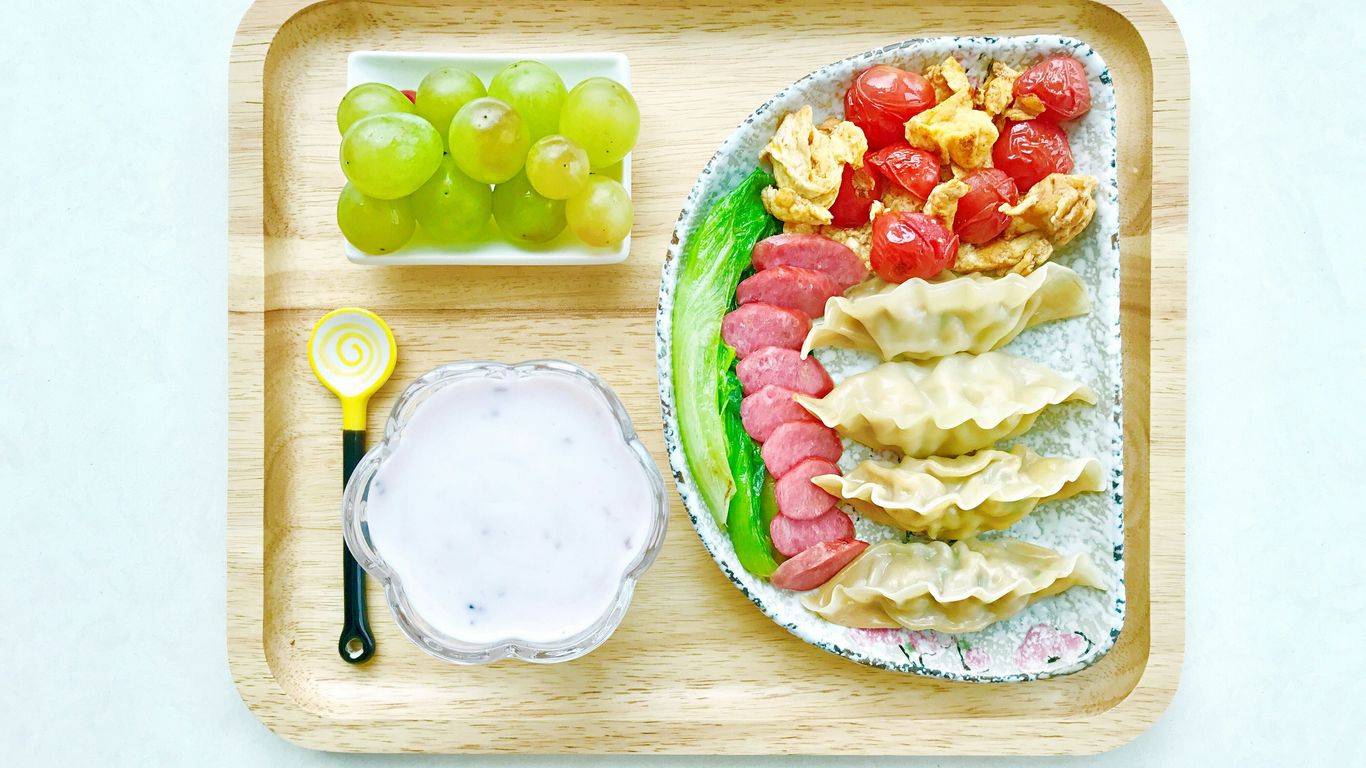
The role of fruits and vegetables
Fruits and vegetables contribute color, flavor, texture, and important nutrients to the preschool plate. They may appear fresh, frozen, or cooked, depending on season and preparation. Repeated, low-pressure exposure matters because a child may need many opportunities before a previously rejected food feels familiar.
Protein and healthy fats for energy and growth
Protein foods can include eggs, poultry, fish, beans, lentils, tofu, yogurt, and cheese. Foods such as avocado, nut or seed spreads where permitted, and dairy products can also provide fat that helps make meals satisfying. The right choice depends on the child, the classroom’s safety rules, and the family’s dietary preferences.
Whole grains and fiber for lasting fullness
Whole-grain bread, brown rice, oats, barley, and whole-grain crackers can add fiber and a fuller texture to meals. Fiber-rich foods are most useful when children also drink enough fluid and eat a varied diet. A gradual approach is fine: a familiar refined grain alongside a whole-grain version can feel less challenging than an abrupt change.
Limiting added sugar, sodium, and highly processed foods
Preschool menus generally benefit from keeping sweetened foods and drinks, salty packaged foods, and heavily processed choices occasional rather than routine. This does not require treating every dessert or convenience food as forbidden. Instead, the overall pattern can make room for ordinary family life while keeping everyday choices closer to the foods children need most.
How meal patterns shape a preschool day
Food affects the flow of a preschool day, from morning arrival to active play and rest. Predictable meal and snack times help children know when another eating opportunity is coming, which can reduce some anxiety around food. The routine should still leave room for differences in appetite, energy, and development.
A thoughtful schedule also considers transitions. Children may eat less when they are rushed, distracted, or upset, so a calm setting is part of nutrition support rather than a separate concern.
Matching meals and snacks to children’s schedules
Many preschoolers do well with meals and snacks spaced through the day, especially when they cannot comfortably eat large portions at once. Breakfast before school, a morning snack, lunch, and an afternoon snack may fit some schedules, while another program may use a different pattern. Ask how the center handles late arrivals, field trips, and days when outdoor play changes the usual timing.
Understanding age-appropriate portions
A preschool portion is smaller than an adult portion, and children may ask for more when they are still hungry. Serving a modest amount first can reduce waste and make the plate feel approachable. Portion guidance is a starting point, not a demand that a child finish everything.
Allowing enough time for children to eat
Children need enough time to open containers, talk, chew, and decide what to try. A rushed meal can make even a familiar food difficult, while a relaxed table gives teachers a chance to model manners and safe eating. Families can ask whether children eat at tables, how cleanup works, and what happens when a child is not finished.
Supporting children’s hunger and fullness cues
Adults can decide what foods and when they are offered, while children can often help decide whether and how much to eat. Calm reminders such as “you can listen to your tummy” are more useful than pressure to clean a plate. Hunger, fatigue, and transitions can also affect behavior; families may find this tantrum guidance useful when trying to understand an overwhelmed child rather than labeling them difficult.
A consistent routine does not mean every day feels identical. It means children can trust that food will be offered again, even when one meal goes untouched.
Examples of healthy preschool meals and snacks
Examples make menu language easier to picture, but they should be treated as flexible ideas rather than a universal prescription. A program may adjust ingredients for allergies, budget, season, cultural preferences, or available kitchen equipment. The goal is a pattern of nourishing choices that children can eat safely and comfortably.
Here are a few ways the pieces can fit together in an ordinary week.
A sample breakfast menu
One sample breakfast might include oatmeal, sliced banana, and milk. Another could offer a hard-cooked egg, whole-grain toast, and berries. The best menu is one that meets the program’s requirements while remaining practical for children to handle and eat within the available time.
A balanced preschool lunch
Lunch could be a bean-and-cheese quesadilla with tomato, fruit, and water, or a chicken sandwich with steamed vegetables and milk. A child does not need to eat every component for the meal to have value. Seeing a variety of foods on the table can support learning even on days when appetite is small.
Simple snack combinations
Pairing a carbohydrate with protein or produce can make a snack more substantial. Keep the combinations familiar, safe, and easy to serve:
- Whole-grain crackers with cheese
- Banana slices with plain yogurt
- Cucumber rounds with hummus
- Applesauce with a small oat muffin
These are starting points, not requirements. The preschool should confirm which foods and textures are allowed, especially in classrooms with allergy restrictions.
Summer Camp at River City Preschool
Ages 5–12 · May 28 – Aug 9 · 7am–5pm · Swimming, Sports, Field Trips & Meals included!
How menus may change throughout the week
Menus often vary by season, supplier availability, and the center’s weekly plan. One day may feature beans, another eggs or poultry, and another a vegetarian combination. Variety over several days gives children more chances to encounter different colors, flavors, and textures without expecting every meal to appeal to every child.
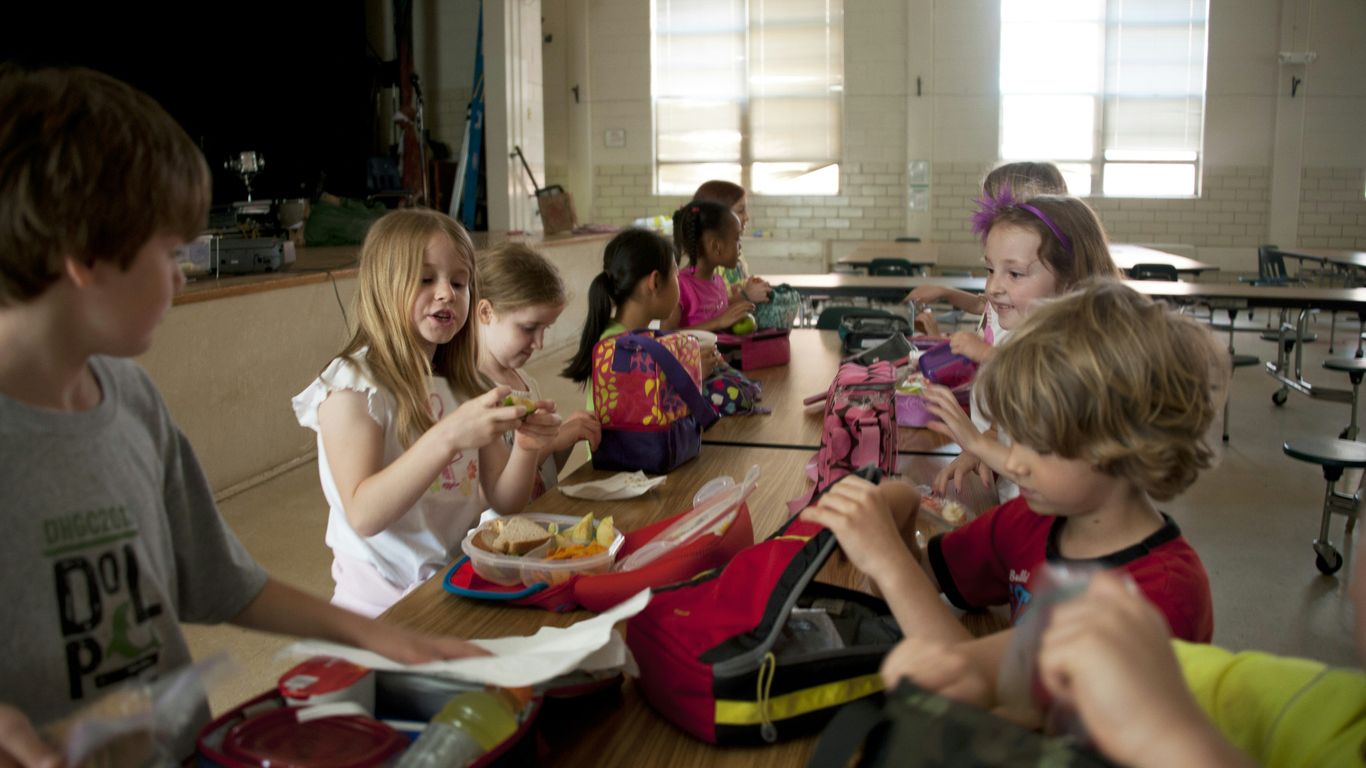
Accommodating allergies, preferences, and dietary needs
A safe preschool food plan begins with clear communication between families and staff. Allergies and dietary restrictions should be documented before a child starts, with instructions that are specific enough for the people preparing and serving food. Families should also learn how substitutions are handled, since a menu’s listed item may not be the food their child actually receives.
Food preferences deserve attention too, but they do not always require a separate meal. A respectful approach can protect safety while helping children gradually become comfortable with variety.
Managing common food allergies safely
Parents should provide written information about diagnosed allergies, symptoms, emergency procedures, and any required medication. Ask how staff prevent cross-contact, read ingredient labels, supervise eating, and communicate changes to substitute caregivers. Never assume that a familiar product is safe when its ingredients or manufacturing process may have changed.
Handling vegetarian and other dietary restrictions
Vegetarian, religious, medical, and other dietary needs should be discussed before enrollment and revisited when circumstances change. Ask whether the preschool provides an appropriate alternative or whether families send a replacement meal. The substitute should still offer a comparable role in the meal, such as protein or energy, rather than simply removing an item.
Adapting meals for cultural food preferences
Cultural foods can be a meaningful part of a child’s comfort and identity. Families can share names, ingredients, preparation styles, and familiar foods that might help teachers connect classroom meals with home experiences. A menu that welcomes different food traditions can also make variety feel more natural for the whole group.
Helping selective eaters try new foods without pressure
Selective eating is common in the preschool years, and pressure can make mealtimes more stressful. Adults can offer a small amount of a new food beside something familiar, describe it neutrally, and allow the child to decide whether to taste it. Praise curiosity and calm participation rather than requiring a clean plate or a certain number of bites.
How families can evaluate and support preschool nutrition
Families do not need a nutrition degree to assess a preschool menu. A few direct questions can reveal how food fits into the daily routine, how safety is managed, and whether the program communicates well with parents. Looking at the menu alongside your child’s behavior and appetite gives a more useful picture than judging one isolated lunch.
River City Preschool families in Peoria can use the same practical questions when discussing meals, snacks, and substitutions with staff. If the program does not provide meals, ask what children should bring and how food is stored.
Questions to ask about preschool meals and snacks
Start with the logistics, since they shape what your child actually experiences. Useful questions include:
- Which meals and snacks are served, and at what times?
- How are allergies, substitutions, and packed foods handled?
- Where can families find menus and ingredient information?
- How much time do children have to eat and drink water?
The answers should be clear enough that you can plan breakfast, dinner, and any packed food without guesswork. They can also show whether the preschool treats food as part of children’s care and learning.
Reviewing menus and ingredient information
Look for variety across the week rather than demanding a favorite food every day. Check whether menus regularly include produce, protein foods, grains, and suitable drinks, and ask for ingredient labels when an allergy is involved. A posted menu may describe the general offering, so confirm how substitutions are recorded and communicated.
Coordinating home meals with the preschool schedule
If lunch is early, your child may need a more substantial breakfast; if afternoon pickup follows a snack, dinner may be lighter or later. Avoid turning the evening into a battle over what was eaten at school. Offer a predictable meal at home and let your child’s appetite guide the amount.
Practicing food safety and healthy eating habits at home
Home routines can reinforce what children practice at preschool: washing hands, sitting while eating, using age-appropriate utensils, and putting food away safely. Adults can model trying foods without making negative comments about them. Keep conversations about bodies and food neutral, and focus on energy, enjoyment, safety, and care.
A shared approach between home and school is often more helpful than a strict set of rules. Small, steady habits give children confidence around food.
Choose a Caring Preschool
If you are looking for a preschool in Peoria, explore River City and ask how the daily routine can support your child and family. River City Preschool can be contacted at (309) 693-5757 for enrollment information.
Conclusion
Healthy preschool meals and snacks are less about perfect plates than about dependable routines, varied foods, safe accommodations, and respectful support for growing appetites. When families and teachers communicate, children can build positive habits while enjoying the ordinary pleasure of eating with others.
Frequently Asked Questions
What should a preschool meal include?
A balanced meal often includes a protein food, grain, fruit or vegetable, and an appropriate drink or dairy serving, depending on the program and the child’s needs.
How many snacks does a preschooler need?
Many preschool schedules include one morning and one afternoon snack, but the exact pattern varies by program, meal timing, and the child’s routine.
Should preschoolers be required to finish their meals?
Children generally benefit from being allowed to respond to hunger and fullness cues rather than being pressured to clean their plates.
What drinks are best for preschool children?
Water is a strong everyday choice, and milk may be offered with meals. Families should ask about juice and sweetened drinks because practices differ.
How can a preschool handle food allergies?
Families and staff should document the allergy, review ingredients, prevent cross-contact, understand emergency procedures, and keep communication current.
What if my child is a selective eater?
Offer familiar foods alongside small portions of new foods without pressure. Repeated, calm exposure can help a child become more comfortable over time.
How can parents review a preschool menu?
Ask for the current menu, ingredient information, serving schedule, substitution policy, and details about how children are supervised while eating.
More Ways to Make the Most of River City
Exclusive programs and perks for River City Preschool families
Summer Camp 2026
A full summer of swimming, sports, field trips, and fun for kids ages 5–12. May 28 – August 9, 7am–5pm. Breakfast, lunch & snacks included!
Swimming Lessons
Expert swim instruction for all ages — from Baby Sharks (12mo+) to competitive Team Training. Build confidence and water safety skills.
50% Off The Clubs at River City
As a River City Preschool family, you get an exclusive 50% discount on membership — pools, tennis, fitness, and so much more!
More From River City Preschool


