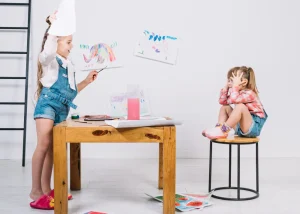
Montessori vs. Traditional Preschool: Which Approach Is Right for Your Child?

Picking the right preschool can feel like a huge task, right? You want the best for your little one, but all the different approaches can be confusing. Two big ones you’ll hear about are Montessori and traditional preschool. They sound different, and they are, but both aim to get kids ready for school. This article breaks down what makes each one tick, so you can figure out which Montessori vs traditional preschool setup might be a better fit for your kid.
Key Takeaways
- Montessori focuses on child-led learning with hands-on materials, while traditional preschools are usually teacher-led with a set curriculum.
- Montessori classrooms often have mixed-age groups, promoting mentorship, whereas traditional preschools typically group children by age.
- The teacher’s role differs significantly: a Montessori ‘guide’ facilitates discovery, while a traditional teacher instructs and directs.
- Consider your child’s personality and learning style – do they prefer independence and choice (Montessori) or clear routines and group activities (traditional)?
- Visiting schools, asking questions, and observing the classroom environment are the best ways to determine which Montessori vs traditional preschool approach aligns with your family’s needs.
Understanding The Core Differences: Montessori vs Traditional Preschool
Choosing the right preschool is a big step for any family. It’s the first taste of formal education, and you want it to be a good one. When you start looking around Peoria, you’ll likely see two main approaches: Montessori and traditional. They seem similar on the surface, but dig a little deeper, and you’ll find some pretty significant differences in how they operate and what they aim for. Let’s break down what makes each one tick.
What Is A Montessori Preschool?
The Montessori method, developed by Dr. Maria Montessori over a century ago, is built on the idea that children learn best when they’re allowed to explore and discover things at their own pace. Think of it as a child-centered approach. In a Montessori classroom, you’ll see a lot of hands-on materials, often beautifully crafted, that are designed to teach specific skills. Children are generally free to choose their activities from a prepared environment, and they work independently or in small groups. The teacher, often called a ‘guide,’ observes and steps in to offer lessons or help when needed, but the focus is on the child’s self-directed learning.
What Is A Traditional Preschool?
A traditional preschool usually follows a more structured, teacher-led curriculum. The teacher is at the center of the classroom, guiding activities, introducing concepts, and managing the group. You’ll often see a set schedule for the day, with specific times for circle time, lessons, play, and snacks. The goal is typically to ensure all children are learning the same things at roughly the same time, preparing them for the next step in their education, like kindergarten. Classrooms might be more colorful and filled with a variety of toys and learning centers.
The Philosophy Behind Each Approach
At its heart, the difference comes down to philosophy. Montessori believes that learning is an internal process that happens best when a child is intrinsically motivated and given freedom to follow their interests. It’s about fostering independence and a lifelong love of learning through self-discovery. Traditional preschools, on the other hand, often operate on the belief that a structured environment with direct instruction is the most effective way to impart knowledge and skills. They focus on group learning and meeting developmental milestones as a cohort. It’s less about the child leading the way and more about the teacher guiding the entire group through a planned educational journey. Understanding these core differences is the first step in figuring out which environment might be the best fit for your child’s unique personality and learning style.
The way a preschool is set up and the philosophy behind it can really shape a child’s early learning experiences. It’s not just about what they learn, but how they learn it and how they feel about learning itself.
Exploring Learning Styles And Classroom Dynamics
Hands-On Exploration Versus Teacher-Led Instruction
When you think about how kids learn best, it often comes down to whether they like to do things or if they prefer to be told or shown. In a Montessori setting, the whole idea is built around hands-on exploration. Think of it like this: instead of just hearing about how to pour water, a child actually gets to practice pouring water from one pitcher to another. This is fantastic for kids who learn by touching, moving, and experimenting. They get to figure things out for themselves.
Traditional preschools, on the other hand, often lean more towards teacher-led instruction. This means the teacher is usually at the front, explaining a concept, showing a picture, or leading a group activity. This style can be really effective for children who learn well by listening or watching. They might be great at absorbing information when it’s presented directly to them.
Child-Led Discovery In Montessori
Montessori classrooms are set up so children can choose their own activities from a range of options. The materials are all out and accessible, organized by subject. A child might decide they want to work on a math puzzle, practice writing letters, or learn how to tie their shoes. The teacher, or ‘guide’ as they’re often called, is there to show them how to use the materials and then lets them work independently. This approach really lets kids follow their own interests and learn at their own pace. It’s all about letting them discover things for themselves, which can build a lot of confidence and a genuine love for learning.
Structured Learning In Traditional Settings
In a traditional preschool, the day usually follows a more predictable schedule. There’s often a set time for circle time, a time for specific lessons, a time for free play, and a time for snacks. The teacher guides the group through these activities, introducing new concepts and skills to everyone at the same time. This structure can be very comforting for children who like knowing what to expect next. It helps them understand routines and follow directions within a group setting. The focus is often on ensuring all children are learning the same things at roughly the same time, preparing them for a more standardized kindergarten experience.
Social Development: Mixed-Age Versus Same-Age Groups
One of the most noticeable differences between a Montessori and a traditional preschool is how the children are grouped. It’s not just about age; it’s about how kids learn to interact with each other.
Collaboration and Mentorship in Montessori
Montessori classrooms are typically mixed-age. This means you might have three-year-olds working alongside six-year-olds, all in the same room. At first glance, this might seem a bit chaotic, but there’s a method to the madness. Older children often naturally take on a mentorship role, showing the younger ones how to use the materials or navigate a tricky task. This isn’t just about academics; it’s about building social skills. The older kids get a chance to practice leadership and patience, while the younger ones have role models right there in the classroom. It creates a sort of mini-community where everyone has something to contribute.
This setup encourages a lot of peer-to-peer learning. When a younger child sees an older child working on something interesting, they’re naturally drawn to it. They might ask questions, and the older child can explain it in their own words, which actually helps solidify their own understanding. It’s a dynamic where everyone is both a learner and a teacher at different times.
Familiarity and Group Activities in Traditional Preschools
Traditional preschools usually group children by age, often in same-age classrooms. So, you’ll have a class of four-year-olds or a class of five-year-olds. The idea here is that children at the same age are at similar developmental stages, so lessons and activities can be tailored to that specific group. This can make planning easier for the teacher and can feel more comfortable for some children who are used to interacting mostly with peers their own age.
In these settings, social interaction often happens through structured group activities. Think circle time, singing songs together, or working on a group art project. These activities are great for teaching cooperation and following directions within a peer group that’s on a similar wavelength. It’s a more predictable social environment, which can be really beneficial for kids who thrive on routine and clear expectations.
Considering Your Child’s Social Needs
When you’re thinking about which environment might be best, it’s worth considering your child’s personality. Do they seem to naturally gravitate towards older kids or younger kids? Do they get a boost from being the ‘expert’ or do they prefer to learn alongside others who are just figuring things out too?
Here are a few things to think about:
- Independence vs. Peer Dependence: Does your child tend to play independently, or do they always seek out a friend to do things with?
- Leadership Tendencies: Does your child naturally take charge, or do they prefer to follow along?
- Comfort with New Situations: How does your child react to being in a group of unfamiliar faces, whether they’re older or younger?
- Learning Style: Do they learn best by watching and imitating, or by being directly taught alongside their peers?
The social dynamics of a classroom can have a big impact on a child’s overall experience. It’s not just about learning ABCs; it’s about learning how to be part of a community, how to share, how to resolve disagreements, and how to build relationships. Both mixed-age and same-age groups have their own unique ways of helping children develop these important life skills.
Routine, Structure, And Independence
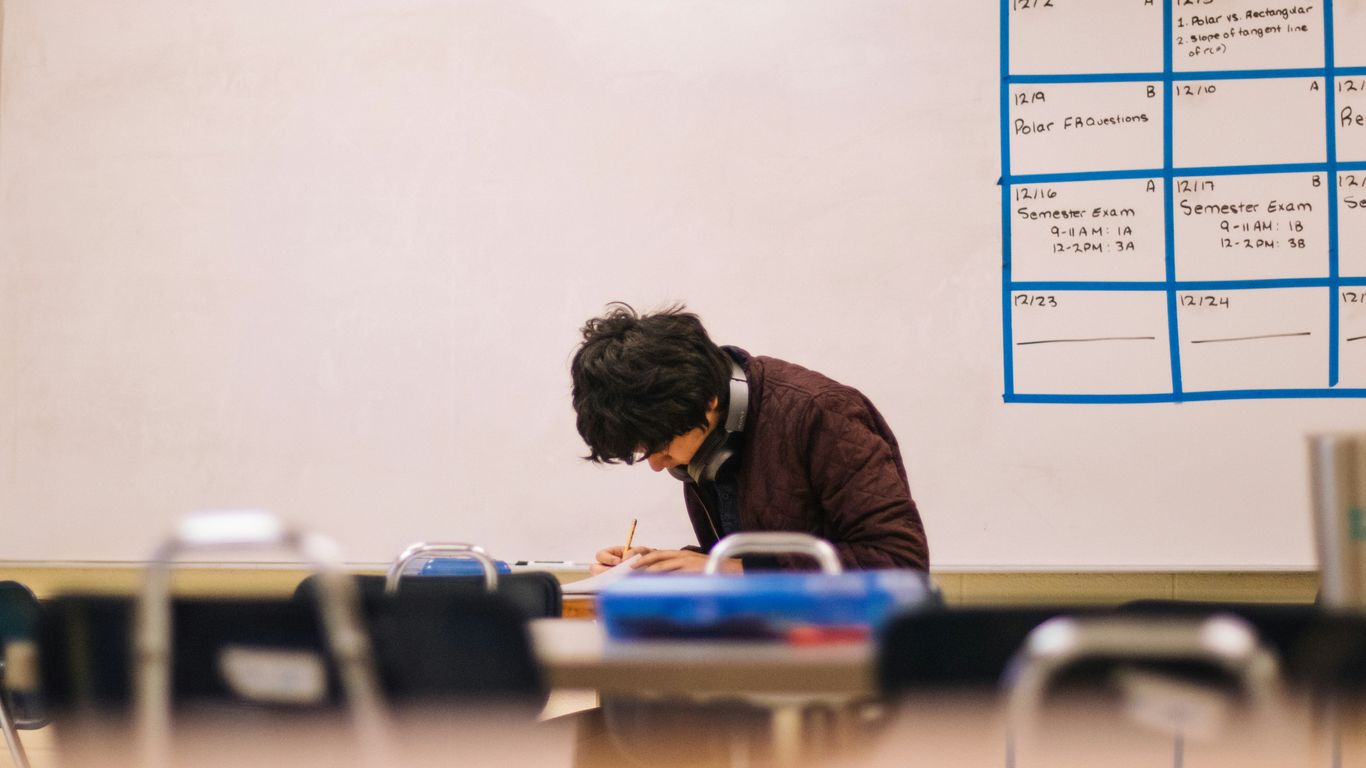
When you think about preschool, you might picture a classroom with a strict schedule: circle time, then snack, then an activity, then outdoor play, all at set times. This is often the case in traditional settings. But what about Montessori? It might seem less structured at first glance, but it’s actually built on a different kind of order.
The Predictability of Traditional Schedules
Traditional preschools often operate with a predictable daily rhythm. This means that children know what to expect at certain times, which can be comforting. Think of it like a familiar song with verses and a chorus that always come back around. This structure helps children learn to follow directions and manage transitions from one activity to the next. It’s a system designed to keep things moving smoothly for the whole group.
- Morning Circle Time: Often includes songs, calendar, and weather.
- Activity Centers: Rotating through different learning stations.
- Group Lessons: Teacher-led instruction on a specific topic.
- Snack and Lunch: Scheduled meal times.
- Outdoor Play: A set period for physical activity.
This kind of routine can be really helpful for children who thrive on knowing exactly what’s coming next. It helps build a sense of security and can prepare them for the more structured schedules they might encounter in elementary school.
Summer Camp at River City Preschool
Ages 5–12 · May 28 – Aug 9 · 7am–5pm · Swimming, Sports, Field Trips & Meals included!
Flexibility and Choice In Montessori Classrooms
Montessori classrooms have a different kind of structure. Instead of a rigid schedule dictating every minute, the structure is in the environment itself. Children have long, uninterrupted blocks of time – often three hours – to choose their own work from a variety of options. This isn’t just free play; it’s purposeful activity within a carefully prepared space. Every material has its place, and there are clear, though often unspoken, rules about how to use them and how to respect others’ work. This freedom to choose, within limits, is a cornerstone of the Montessori approach. It allows children to follow their own interests and work at their own pace. This freedom within limits helps children develop self-discipline and a deep sense of responsibility for their own learning.
Matching Structure To Your Child’s Temperament
So, how do you figure out which approach is a better fit for your child? It really comes down to their personality and what makes them feel most comfortable and ready to learn. Some children blossom with the clear, step-by-step guidance of a traditional schedule. They might feel more secure knowing what’s expected of them throughout the day. Others, however, might chafe under too much direction and truly shine when given the space to explore and make their own choices. A child who is naturally very independent might do wonderfully in a Montessori setting, while a child who needs more reassurance and clear boundaries might benefit from the predictability of a traditional classroom.
It’s not about one being ‘better’ than the other, but about finding the environment where your child’s unique spirit can best take root and grow. Observing your child at home, noticing how they respond to different situations, can give you clues about what kind of structure, or freedom, they might need to thrive.
The Teacher’s Role In Each Environment
The Montessori Guide As Facilitator
In a Montessori classroom, the teacher isn’t really a ‘teacher’ in the traditional sense. They’re more like a guide or a facilitator. Their main job is to observe the children, understand what sparks their interest, and then introduce them to the special materials designed for learning. They’ll show a child how to use a specific tool for math or language, but then they step back. The idea is to let the child explore and learn at their own pace. The Montessori guide helps create a calm, organized space where children feel safe to try things, make mistakes, and learn from them. They’re there to support the child’s natural drive to learn, not to direct every single activity.
The Traditional Teacher As Instructor
A traditional preschool teacher usually takes a more central role in directing the learning. They’re the ones leading the group activities, like circle time, reading stories, and introducing new concepts. They have a curriculum to follow, and their goal is to make sure all the children are hitting certain learning milestones. This means more direct instruction, where the teacher explains things and guides the children through specific tasks. They’re also responsible for managing the classroom and making sure everyone is participating and behaving appropriately.
Observing Teacher Interaction
When you visit a preschool, pay close attention to how the teachers interact with the children. In a Montessori setting, you’ll likely see teachers moving quietly around the room, offering individual help or small-group lessons, and observing intently. They’re not usually standing at the front of the room lecturing. In a traditional classroom, you’ll probably see the teacher leading activities, asking questions to the whole group, and managing the flow of the day more actively. Both styles have their place, but observing these interactions can tell you a lot about the school’s philosophy and how your child might fit in.
Making The Right Choice For Your Family
Choosing between Montessori and traditional preschool isn’t just about picking a philosophy. It’s about finding a place where your child feels comfortable, engaged, and happy—where daily drop-offs don’t end in tears and your kid starts talking non-stop about what happened at school. Let’s look at what really matters when making this decision.
Visiting Schools And Asking Questions
- Walk through the classrooms during a regular school day.
- Ask teachers how they handle transitions and support kids who need a little extra help.
- Watch how children move and interact—is the atmosphere calm, busy, or a mix of both?
Sometimes, it helps to make a list ahead of time so you don’t forget your top concerns; even simple questions like, “How does my child choose their activities?” or “What happens if my child just wants to observe?” can reveal a lot about the culture.
Aligning With Your Child’s Unique Needs
- Does your child need lots of hands-on choices or do they thrive when there are clear routines?
- Are they more independent, or do they look to adults for cues and encouragement?
- Think about what excites your child: group games, one-on-one time, or building something quietly by themselves.
Here’s a quick comparison:
| Your Child Likes… | Montessori | Traditional Preschool |
|---|---|---|
| Choosing activities | Usually a great fit | May feel challenging |
| Predictable schedules | Less predictable | Very structured |
| Working alone or with mixed ages | Encouraged | Less common |
| Teacher-led group activities | Not the main focus | Often the routine |
Trusting Your Instincts As A Parent
You know your child better than anyone. Trying out open houses, speaking with other parents, or even letting your child test out a morning can settle lingering doubts. There’s no one-size-fits-all answer.
- Don’t stress about making the “perfect” choice; children are more adaptable than we often give them credit for.
- Listen to your gut—if you find yourself smiling during a visit, or imagining your child thriving, that’s a good sign.
- Changing your mind is okay. Kids’ needs change as they grow, and what works for preschool might not be the answer for kindergarten or beyond.
Remember, what matters most is that your child feels safe, welcomed, and eager to learn about their world—whatever approach you choose.
Choosing the right place for your child’s early education is a big decision. We know you want the best for your family, and we’re here to help make that choice easier. Our preschool offers a nurturing environment where your child can learn, grow, and thrive. Don’t miss out on this opportunity to give your child a great start. Visit our website today to learn more and secure your child’s spot!
So, Which Preschool Wins?
Alright, we’ve talked about the nitty-gritty of Montessori and traditional preschools. It’s a lot to take in, right? But here’s the main takeaway: there’s no single ‘best’ option for every kid. Think about what makes your child tick. Do they love exploring on their own and getting their hands dirty? Maybe Montessori is their jam. Or do they thrive with a clear schedule and group activities? A traditional setting might be a better fit. The most important thing is to find a place where your child feels happy, safe, and excited to learn. Visiting schools, chatting with teachers, and just getting a feel for the environment will help you make the right call for your little one. Trust your gut – you know your child best!
Frequently Asked Questions
What’s the main difference between Montessori and traditional preschools?
The biggest difference is how kids learn. In Montessori, children choose their own activities and learn at their own speed, with teachers guiding them. Traditional preschools usually have a set schedule and the teacher leads everyone through the same lessons at the same time.
Which type of preschool is better for kids who like to move around and explore?
Montessori schools are great for kids who learn by doing. They have lots of hands-on materials and let children explore freely. Traditional schools might have more sitting and listening, which could be less ideal for very active learners.
How do social skills develop differently in each type of school?
Montessori classrooms often have kids of different ages together. This means older kids can help younger ones, and everyone learns to get along with different age groups. Traditional preschools usually have kids the same age, focusing more on group activities with peers their own age.
Is one type of preschool more structured than the other?
Traditional preschools typically have a very predictable daily schedule with clear routines. Montessori schools offer more freedom for children to choose their work and follow their own rhythm, though the classroom itself is very organized and structured.
What is the teacher’s role in a Montessori classroom compared to a traditional one?
In Montessori, the teacher is more like a guide or facilitator. They observe, offer support, and show children how to use learning materials. In a traditional preschool, the teacher is more of an instructor, leading lessons and managing the whole class.
How can I tell if a school is truly Montessori?
Look for specific signs. Authentic Montessori schools often have teachers with special training, use specific types of learning materials (often made of wood and natural items), and allow children long, uninterrupted work periods. The term ‘Montessori’ isn’t protected, so it’s good to ask about their training and methods.
More Ways to Make the Most of River City
Exclusive programs and perks for River City Preschool families
Summer Camp 2026
A full summer of swimming, sports, field trips, and fun for kids ages 5–12. May 28 – August 9, 7am–5pm. Breakfast, lunch & snacks included!
Swimming Lessons
Expert swim instruction for all ages — from Baby Sharks (12mo+) to competitive Team Training. Build confidence and water safety skills.
50% Off The Clubs at River City
As a River City Preschool family, you get an exclusive 50% discount on membership — pools, tennis, fitness, and so much more!
More From River City Preschool