The Power of Sensory Play: Why Messy Activities Build Smarter Brains

Key Takeaways
Sensory play gives preschoolers room to explore materials, test ideas, and practice everyday skills. A simple setup and close supervision can make the experience both engaging and manageable.
- Sensory play invites children to explore textures, sounds, movement, and other sensations.
- Scooping, pouring, squeezing, and sorting offer practice with fine motor skills and problem-solving.
- Talking about what they notice can help children build descriptive language.
- Activities work best when children can choose how to explore at their own pace.
- Use age-appropriate materials, adapt for comfort, and supervise closely.
What sensory play does for a developing brain
Sensory play is hands-on exploration that lets children notice how things feel, move, sound, and change. It can happen with water, playdough, natural materials, or simple household objects. The value is not in making a perfect activity; it is in giving a child time to explore and respond. These experiences offer opportunities to practice learning through action, while every child’s development remains individual.
How exploring textures, sounds, and movement engages the senses
A child might press a soft sponge, listen to water trickling into a cup, or watch a leaf spin as it falls. Each small action gives them information to notice and compare. Sensory play can include touch, sight, hearing, smell, and movement, with no need to involve every sense at once. Keeping the experience simple gives children space to focus on what interests them.
Why hands-on experiences help children make connections
When children handle materials, they can see what changes when they squeeze, tip, stack, or stir. They may repeat an action, notice a different result, and try again. This kind of exploration can help connect an idea with a concrete experience: a full cup spills when tilted, while a shallow scoop holds less. Learning through direct experience gives children something tangible to think and talk about.
What sensory play can support—and what it cannot guarantee
Sensory play can offer practice with attention, coordination, language, and flexible thinking, but it is not a shortcut to a particular developmental outcome. Children may engage in different ways, and a quiet activity may suit one child while movement or sound appeals to another. Think of it as one useful kind of play among many, rather than a test or a guaranteed path to a skill. The goal is a welcoming opportunity to explore, not a prescribed result.
Skills preschoolers practice through sensory play
During sensory play, ordinary actions can become chances to practice. A preschooler might scoop, pour, notice a difference, and adjust their approach without being given a step-by-step answer. Skills develop through repetition and interest, not through forcing a child to participate. The same activity can also look quite different from one child to the next.
Building focus and problem-solving through trial and error
A child trying to move water between containers has a small problem to solve: which cup holds more, and how can the water get there? They may pause, test an idea, spill a little, and change their approach. That repeated cycle gives them a chance to practice persistence and observation. These examples show how the materials can invite useful questions without turning play into a lesson.
| What the child tries | What changes | What they can practice |
|---|---|---|
| Pouring from a wide cup | Water spills over the edge | Adjusting the amount or angle |
| Pressing a sponge | Water comes out | Noticing cause and effect |
| Filling a small container | It takes several scoops | Estimating and repeating an action |
After an attempt, a caregiver can give the child a moment to notice what happened before offering help. A question like “What could you try next?” keeps the problem with the child while letting them know support is nearby.
Strengthening fine motor skills with scooping, squeezing, and pouring
Hands and fingers get plenty to do when children grip a scoop, pinch dough, or steady a cup. These movements offer practice with control and coordination in a way that feels purposeful to a child. Tools should be comfortable to hold and sized for the activity; a large spoon may be easier to manage than a tiny one. No special equipment is needed to make these actions part of play.
Growing language by describing sensations and discoveries
Words can grow naturally out of noticing: sticky, smooth, heavy, chilly, or rough. Adults can model a word or describe what they see, then leave room for a child to respond with speech, a gesture, or a look. Everyday conversation and play can support communication, including communication across two languages as children build language skills in more than one language. Follow the child’s lead rather than turning each discovery into a vocabulary quiz.
Practicing emotional regulation through calming, hands-on exploration
Some children find repeated, predictable actions—such as pressing dough or moving water between cups—pleasant and settling. Others may prefer a more active activity or need a break from the materials. Sensory play is not a treatment or a guaranteed way to calm a child; it is simply one option to offer and observe. Letting a child pause, watch, or step away respects their cues.
Sensory play activities preschoolers can explore
There is no need for an elaborate setup to get started. A tray, a few familiar materials, and time to explore can be enough for a child to begin investigating. When gathering sensory play activities preschool children can try, choose options that suit their age, comfort, and supervision needs. River City Preschool describes its full-day preschool and daycare as including hands-on learning and active play; those broad experiences can make room for children to explore in different ways.
Make a sensory bin with safe, age-appropriate materials
A shallow bin can hold a few larger, age-appropriate objects alongside a base material such as water or playdough. Add scoops or containers, then let the child decide what to move, fill, or sort. Avoid materials that could pose a choking or ingestion risk, and keep allergies in mind. If a child dislikes touching the contents, offer a tool to explore from a little distance.
Explore water play with cups, funnels, and floating objects
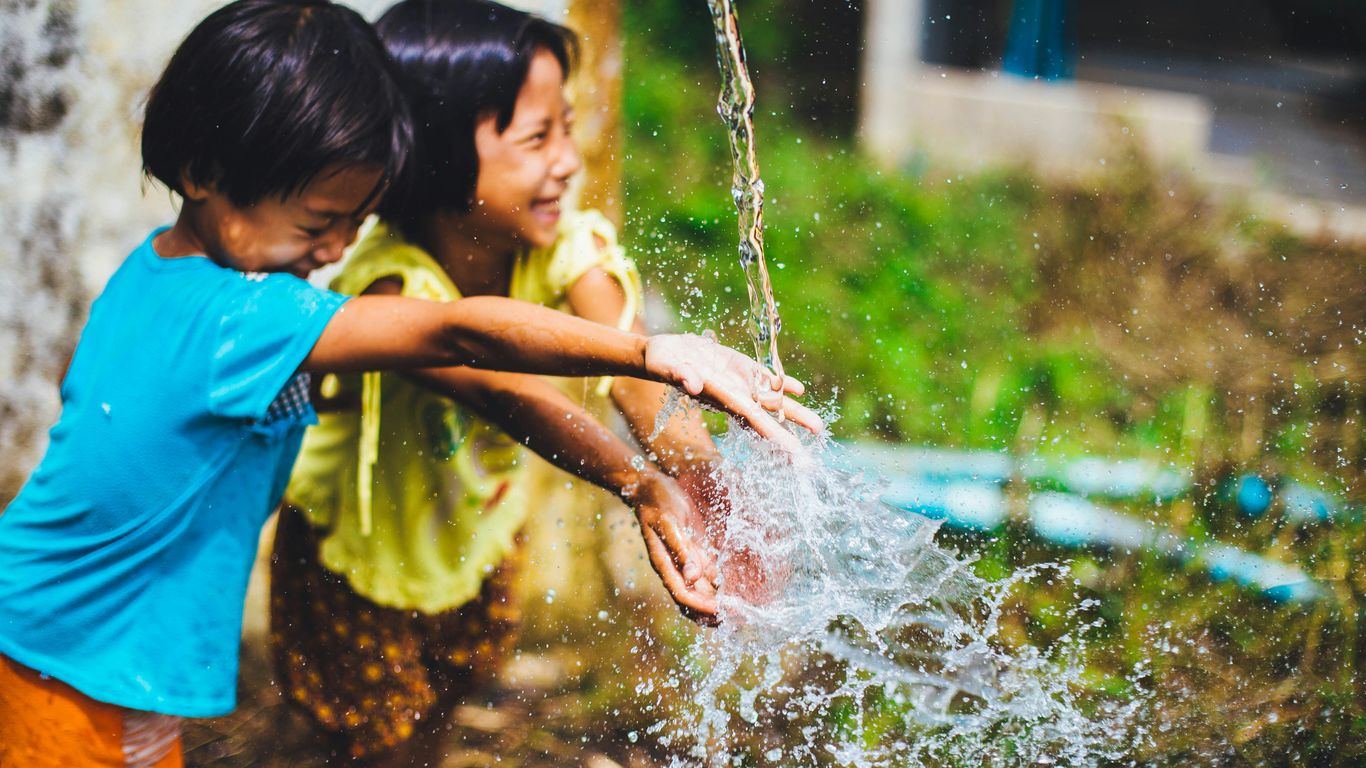
A small amount of water in a stable basin gives children a chance to pour, fill, and watch objects float or sink. Use sturdy cups and large floating objects that are appropriate for the child’s age, and keep an adult close throughout. The fun often comes from repeating a simple action and noticing what changes. Keep the setup modest so you can stay focused on the child rather than managing a large spill.
A funnel can add a new challenge, while a wide container may make pouring easier for a child who is still developing control. A towel nearby makes small splashes less of a production. Water play belongs in a supervised area, not where a child can reach it without an adult.
Shape and squish homemade playdough for creative practice
Playdough invites children to press, roll, pinch, flatten, and reshape. Offer a few simple tools such as a blunt plastic cutter or a rolling pin, and let the child choose whether to make a recognizable object or just explore the dough. For homemade recipes, check ingredients for possible allergies and supervise closely, especially if a child might put dough in their mouth. Store it safely after play and discard it if its condition changes.
Take sensory learning outdoors with leaves, sand, and natural textures
Outside, children can notice differences between a dry leaf and a damp one, or between smooth stones and rough bark. Invite them to look, touch, or sort items they can handle safely, and leave living plants and wildlife undisturbed. Natural materials vary, so check items for sharp edges, dirt, or anything a child should not handle. A small collection in a tray can bring the exploration back indoors if that feels easier.
How to set up a sensory activity that invites discovery
A good setup can be small enough to manage and open enough for a child to make choices. Begin with materials you can supervise comfortably, then give the child time to explore without expecting a particular finished product. River City Preschool describes its approach as including hands-on learning and active play, but a home activity can be much simpler: a few materials and a patient adult are plenty. The point is to make discovery possible, not to stage a perfect scene.
Choose one simple goal and a small set of materials
A simple goal might be exploring what floats, comparing textures, or practicing scooping. Choose a small set of materials that suits that aim and is safe for the child’s age. It can help to decide in advance where the activity will happen and what you will do if the child loses interest. A short plan keeps the setup manageable without dictating how the play must go.
For example, a floating-and-sinking activity could start with a basin, water, and a few large objects. A few practical choices can make it easier to stay present:
- Put a towel or washable mat beneath the play area.
- Set out only a few objects at first.
- Keep a dry place nearby for breaks or observation.
- Have a container ready for materials when play ends.
These small preparations reduce distractions and leave more room to notice what the child is doing. You can always add another material if the child shows interest, rather than starting with a crowded setup.
Offer open-ended tools so children can experiment
A spoon, cup, scoop, or funnel can be used in many ways, which makes it easier for a child to invent their own approach. Rather than showing a single “right” way, set tools within reach and watch how they are used. If a tool proves frustrating, swap it for one that is easier to grip or control. A little variety is useful; too many choices can make the activity harder to navigate.
Summer Camp at River City Preschool
Ages 5–12 · May 28 – Aug 9 · 7am–5pm · Swimming, Sports, Field Trips & Meals included!
Give children time to lead the play at their own pace
Some children begin right away, while others prefer to watch before touching anything. Give them time to approach the materials in their own way, and allow them to repeat an action if it holds their attention. There is no need to turn every moment into a new challenge. Staying nearby without rushing the process can make the activity feel comfortable and child-led.
Ask curious questions without taking over the activity
Simple observations can invite a child to share what they notice: “What happened when you squeezed it?” or “Which one feels heavier?” Ask one question, then leave space for an answer in the child’s own words or gestures. Too many prompts can interrupt concentration, so silence is useful too. When a child seems absorbed, watching quietly may be the best response.
How to adapt sensory play for different children
Children vary in what they enjoy, how they communicate, and how they approach materials. An activity can be adjusted without losing its purpose: a child might use a tool rather than touch a texture directly, or watch first and join later. River City Preschool serves children from infants through Pre-K, a range that underlines why activities should be suited to each child’s age and needs. Follow the child’s signals and make changes that keep the experience accessible and safe.
Adjust textures and sounds for individual comfort levels
A child who avoids sticky or wet materials may be more comfortable with dry objects, a spoon, or a sealed sensory bag that an adult has checked for safety. Keep sound levels gentle and avoid surprising a child with sudden noises. Let children choose whether to touch, observe, or step away. Comfort is a useful guide, not something a child needs to overcome for the activity to count.
Make activities easier or more challenging as skills grow
If a child is just beginning to pour, use a wide container and a small amount of material. As control grows, try a narrower opening or a tool that requires more precision, while keeping the activity enjoyable rather than testing performance. You can also make it easier by reducing the number of objects or offering a larger scoop. Adjust one part at a time so it is clear what is helping.
Offer alternatives for children who prefer less-messy play
A tray, a washable mat, or tools for handling materials can make an activity feel more contained. Children can sort large objects, explore textures through fabric squares, or use playdough on a board instead of directly on a table. These alternatives still offer chances to notice, compare, and make choices. A child does not need to get messy to take part in sensory play.
Include children with mobility or communication differences
Place materials where a child can reach them comfortably, and use stable containers that are less likely to slide or tip. Offer choices in ways the child can use, such as pointing, looking, gesturing, or using their usual communication method. Larger, easy-to-grip tools may help some children participate with more independence. When possible, ask caregivers or specialists who know the child well what adaptations are useful and safe.
Safety and cleanup without taking the fun out of play
Safety is part of the setup, not an interruption to it. Choose materials with the child’s age and individual needs in mind, then stay close enough to notice how they are being used. Set expectations in plain language and keep cleanup supplies nearby. A few clear boundaries help children explore while reducing avoidable risks.
Check materials for choking, allergy, and ingestion risks
Before play begins, inspect materials and tools for small parts, sharp edges, or ingredients that may trigger an allergy. Consider whether the child is likely to mouth objects, and avoid anything that is not appropriate for their age and supervision level. Keep homemade mixtures and loose materials out of reach when the activity is over. If you are unsure whether a material is suitable, choose a safer, simpler alternative.
Supervise closely, especially around water and small items
Stay within arm’s reach during water play and whenever small objects are present. Keep water in a shallow, stable container and empty it promptly when the activity ends. Direct supervision matters even when a child has played with the same materials before. Put away items that are not in use so they do not become an unexpected hazard.
Set clear boundaries for where materials can go
Before play, show children where the activity will happen and explain simple limits, such as keeping materials on the tray or in the basin. If something spills, calmly pause and help return it to the designated area. A contained space can make cleanup easier without making the activity feel overly restricted. Adjust the boundary if the setup is not working for the child or the room.
Make cleanup part of the activity with child-sized tools
A small brush, cloth, or lightweight container lets a child take part in tidying at a level that suits them. Give a simple direction, such as putting the scoops in a bowl, and help with tasks that are too difficult or unsafe. Cleanup can be a gentle transition rather than a demand for perfection. When the materials are stored, wash hands and check the play area for anything left behind.
Conclusion
Sensory play does not need to be complicated to give preschoolers a chance to explore, practice skills, and follow their curiosity. A few safe materials, flexible expectations, and attentive supervision can make everyday play meaningful. River City Preschool offers full-day preschool and daycare in Peoria for infants through Pre-K, and families can request enrollment information or arrange a visit to learn more.
Frequently Asked Questions
Sensory play can be adapted to different ages, interests, and comfort levels. These answers cover a few common questions about getting started and keeping activities safe.
What counts as sensory play?
Sensory play is hands-on exploration that invites children to notice things like texture, sound, movement, or how materials change. It can be as simple as pouring water between cups or pressing playdough.
What are easy sensory play activities for preschoolers?
Try scooping and pouring water, shaping playdough, sorting large natural objects, or exploring a small bin of age-appropriate materials. Start with a few items and let the child guide the play.
How long should a sensory play activity last?
There is no set length. Follow the child’s interest and end the activity when they seem ready to move on, while making sure materials are put away safely.
Does sensory play have to be messy?
No. Children can explore with tools, use a tray or mat, sort dry objects, or watch before touching. The activity can be adjusted to suit a child’s comfort level.
How can I encourage language during sensory play?
Model a few descriptive words and talk about what you notice, such as “rough,” “heavy,” or “the water is moving.” Leave space for the child to respond in their own way rather than asking question after question.
What materials should I avoid for young children?
Avoid items that are choking hazards, unsafe to mouth, sharp, or likely to trigger an allergy. Choose materials appropriate for the child’s age and supervise closely throughout play.
How can I make sensory play accessible to a child with mobility differences?
Place materials within comfortable reach, use stable containers, and offer easy-to-grip tools or alternative ways to participate. A child can explore by touching, watching, pointing, or using their usual communication method.
More Ways to Make the Most of River City
Exclusive programs and perks for River City Preschool families
Summer Camp 2026
A full summer of swimming, sports, field trips, and fun for kids ages 5–12. May 28 – August 9, 7am–5pm. Breakfast, lunch & snacks included!
Swimming Lessons
Expert swim instruction for all ages — from Baby Sharks (12mo+) to competitive Team Training. Build confidence and water safety skills.
50% Off The Clubs at River City
As a River City Preschool family, you get an exclusive 50% discount on membership — pools, tennis, fitness, and so much more!
More From River City Preschool