What Time Should a 3 Year Old Go to Bed on a School Night?
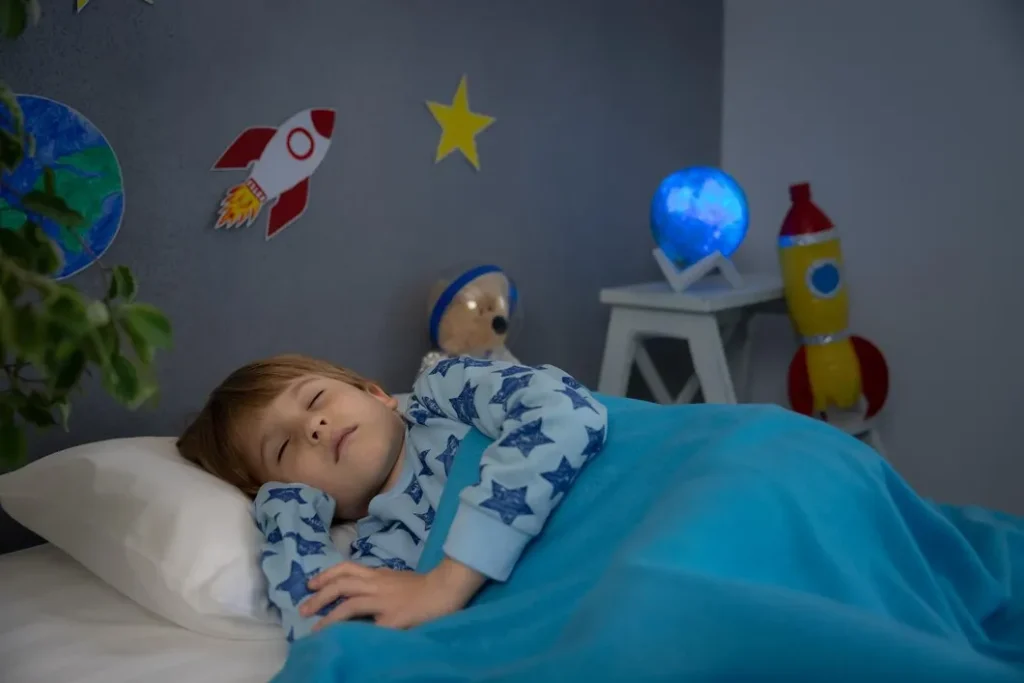
What Time Should a 3 Year Old Go to Bed on a School Night?
Let’s explore one of parenting’s most common challenges: setting the right bedtime for our preschoolers. It is understood that quality sleep directly impacts a child’s behavior, learning, and emotional well-being, yet many parents struggle to establish the ideal schedule. While every child’s needs are unique, research points to specific timeframes that optimize rest for 3-year-olds on school nights. Understanding these patterns can transform your evening routine and set your little one up for success.
Key Takeaways
- The optimal bedtime for a 3-year-old on school nights is between 7:00 PM and 8:00 PM.
- Children who still take daytime naps can go to bed closer to 8:00 PM.
- Those who have stopped napping should be in bed by 7:00 PM to ensure adequate sleep.
- A consistent bedtime routine should begin 30 minutes before sleep time with calming activities.
- This schedule helps achieve the recommended 11-14 hours of total daily sleep that three-year-olds need.
Understanding Your 3-Year-Old’s Sleep Requirements
While every child is unique, understanding your 3-year-old’s sleep requirements is essential for their health and development.
At this age, children need between 11 and 14 hours of sleep within a 24-hour period, with most of that occurring at night.
We’ve found that toddlers typically sleep 10 to 12 hours nightly, plus a daytime nap lasting 1 to 3 hours.
Determining the Optimal School Night Bedtime
Now that we recognize your child’s sleep needs, let’s focus on setting the right bedtime for school nights.
For most 3-year-olds, we recommend a bedtime between 7:00 and 8:00 PM, which helps guarantee they’ll get their essential 10-13 hours of sleep.
If your little one still naps, an 8:00 PM bedtime often works well, while children who’ve outgrown naps may need to turn in closer to 7:00 PM.
Plan backward from their morning wake-up time, and remember: consistent bedtimes support better sleep patterns, improved behavior, and stronger learning capabilities the next day.
Creating a Successful Bedtime Schedule
Creating a successful bedtime routine is one of the most powerful tools you’ll have for ensuring your 3-year-old gets quality sleep.
We recommend starting with calming activities like reading or gentle songs about 30 minutes before bedtime. Keep the sequence consistent – pajamas, teeth brushing, bathroom visit, and storytime.
Make adjustments to your child’s bedroom environment by dimming lights and maintaining a comfortable temperature.
Summer Camp at River City Preschool
Ages 5–12 · May 28 – Aug 9 · 7am–5pm · Swimming, Sports, Field Trips & Meals included!
Let’s involve your little one in the process by explaining each step clearly.
When we establish these predictable patterns, we’re helping build healthy sleep habits that’ll last for years.
Frequently Asked Questions
Should Bedtime Change During Daylight Savings Time?
Let’s adjust bedtime gradually during daylight savings, shifting by 15-30 minutes over a week or two. We’ll keep routines consistent and watch for signs of tiredness in our children.
What if My Child Shares a Room With Older Siblings?
We’ll need to stagger bedtimes, with the 3-year-old going first. Use room dividers or curtains between beds, and establish separate routines to minimize disruption between siblings at night.
How Do Medications Affect a Three-Year-Old’s Bedtime Routine?
We’ll need to adjust bedtime routines when medications affect sleep. Let’s monitor effects closely, maintain consistent schedules, and consult doctors about timing doses to guarantee proper rest for our three-year-olds.
Can White Noise Machines Help Establish Better Sleep Patterns?
Let’s hit the nail on the head: white noise machines can work wonders, helping our little ones establish consistent sleep patterns by masking disruptive sounds and creating a soothing environment.
Should Bedtime Differ Between Weekday Preschool and Weekend Daycare Schedules?
We shouldn’t alter bedtimes between preschool and daycare schedules. Let’s maintain consistent sleep times all week to help establish healthy sleep patterns and prevent disruptions to our children’s routines.
Final Thoughts
While we understand it’s challenging to maintain a consistent 7:00-8:00 PM bedtime with today’s busy schedules, the benefits far outweigh the inconvenience. A well-rested 3-year-old isn’t just easier to manage – they’re building essential neural pathways during sleep that enhance learning and development. By prioritizing an early, regular bedtime now, we’re setting our little ones up for better behavior, stronger academic performance, and lifelong healthy sleep habits.
More Ways to Make the Most of River City
Exclusive programs and perks for River City Preschool families
Summer Camp 2026
A full summer of swimming, sports, field trips, and fun for kids ages 5–12. May 28 – August 9, 7am–5pm. Breakfast, lunch & snacks included!
Swimming Lessons
Expert swim instruction for all ages — from Baby Sharks (12mo+) to competitive Team Training. Build confidence and water safety skills.
50% Off The Clubs at River City
As a River City Preschool family, you get an exclusive 50% discount on membership — pools, tennis, fitness, and so much more!
More From River City Preschool


