Why Routine Matters More Than You Think for Young Kids
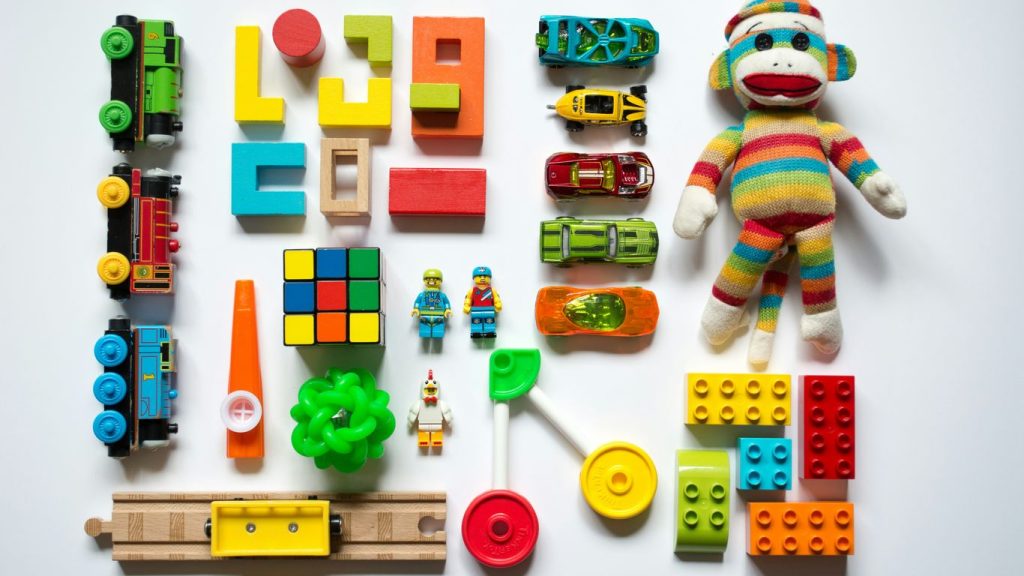
Life with young kids can feel like a constant juggle, right? Some days are smooth sailing, and others feel like you’re caught in a tiny, adorable hurricane. It turns out, one of the best ways to bring a bit more calm and connection into your day is something surprisingly simple: routine. We’re not talking about rigid schedules that leave no room for fun. Instead, consistent routines offer kids a sense of safety and structure that their busy brains really need. Think of it as building a reliable rhythm for your child’s day, which helps them feel secure, capable, and ready for whatever comes next. The importance of routine for young children is often underestimated, but it truly lays the groundwork for so much of their development.
Key Takeaways
- Routines create a feeling of safety and predictability for young children, which helps lower anxiety and build trust as they know what to expect.
- Consistent daily patterns help children develop independence by allowing them to practice and master tasks, leading to greater self-reliance.
- When children have a predictable routine, their minds are freed up to focus on learning and discovery, improving concentration and making transitions smoother.
- Establishing routines helps children learn to manage their feelings and behaviors, building self-regulation skills that are important for emotional well-being.
- Routines simplify daily life for parents too, by reducing power struggles and creating more peaceful transitions like mornings and evenings.
Building Blocks For A Secure Childhood
Think about it: when you’re a little kid, the world can feel pretty big and sometimes a bit confusing. That’s where routines come in. They’re like the sturdy foundation for a child’s sense of security. When kids know what’s coming next – like after breakfast comes getting dressed, or after playtime it’s time for a snack – it makes their world feel predictable. This predictability is a huge comfort. It means less worrying about the unknown and more feeling safe and sound.
Creating A Sense Of Safety And Predictability
Kids thrive on knowing what to expect. A consistent daily rhythm, even for simple things, helps them feel grounded. It’s not about being rigid; it’s about providing a reliable framework. When a child knows the sequence of events, their brain doesn’t have to work overtime trying to figure things out. This frees up their energy for more important stuff, like playing and learning.
Reducing Anxiety Through Familiar Patterns
Imagine waking up and not knowing what the day holds. For a young child, that can be a recipe for anxiety. Routines act like a gentle guide, showing them the way through the day. Knowing that bath time follows dinner, or that bedtime stories are a nightly occurrence, helps calm those jitters. It’s like having a map for their day, making the journey feel much smoother and less scary.
Fostering Trust And Confidence
When a child can anticipate and participate in daily routines, it builds their confidence. They start to feel capable and in control of their little world. This consistency also builds trust – trust in their caregivers and trust in the world around them. They learn that things happen as they should, and that’s a powerful feeling for a developing mind. It’s this steady rhythm that helps them feel like they belong and are cared for.
Nurturing Independence And Capability
When kids know what’s coming next, they start to figure things out for themselves. It’s like they get a little roadmap for their day. This predictability isn’t about being rigid; it’s about giving them the space to try things on their own.
Empowering Little Ones Through Repetition
Think about how many times a toddler has to practice stacking blocks before they get it right. It’s the same with daily tasks. When a child repeats an action, like putting their toys away after playing or washing their hands before snack time, they’re not just going through the motions. They’re building a sense of competence. Each successful repetition is a small win that builds their confidence. It shows them they can do things without constant help, which is a huge step towards independence.
Mastering Tasks And Gaining Real-Life Skills
Routines break down bigger tasks into manageable steps. For instance, getting dressed might seem simple to us, but for a young child, it involves many small actions. A routine can help them learn these steps one by one: socks first, then shoes, or maybe pants before shirt. As they get better at these individual steps, they start to master the whole task. This isn’t just about getting dressed; it’s about learning how to approach any task, big or small. They learn to follow a sequence, which is a really useful skill for pretty much everything they’ll do.
Encouraging Self-Care And Organization
Daily routines are perfect for teaching kids how to take care of themselves and their things. Think about bedtime: brushing teeth, putting on pajamas, reading a book. When these actions are part of a regular routine, kids start to do them more automatically. They learn to manage their own hygiene and get ready for sleep without being reminded every single step of the way. The same goes for tidying up. A routine like ‘clean up toys before dinner’ helps them understand that putting things back where they belong is just part of the day. This builds good habits that will stick with them as they grow older, making them more organized and responsible.
Boosting Brain Power And Learning
Freeing Up Mental Space For Discovery
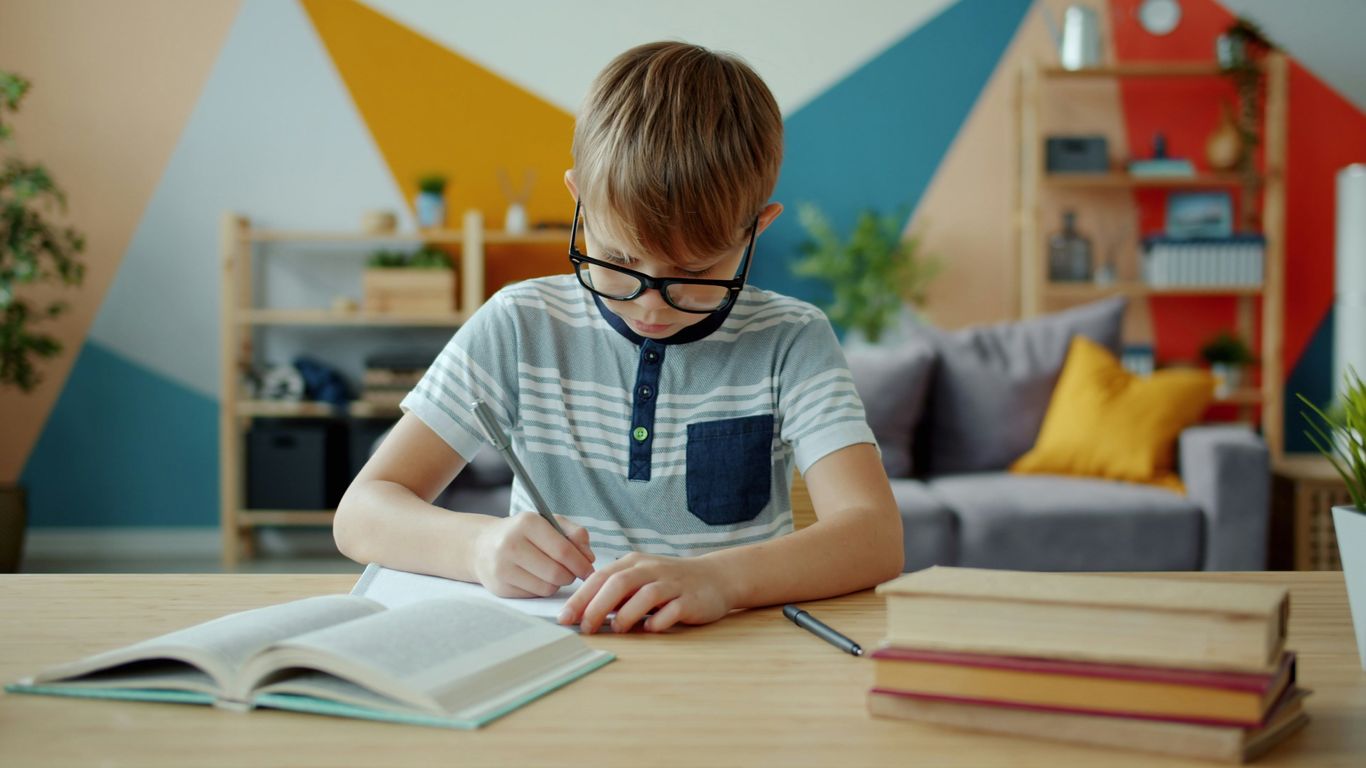
Think about your own brain for a second. When you have a lot of little things to remember, like "Did I pay that bill?" or "What time is that appointment again?", it feels like your brain is cluttered, right? It’s hard to focus on anything new or interesting when you’re busy trying to keep track of all those details. Kids are the same way, maybe even more so. When their day has a predictable flow, they don’t have to waste energy figuring out what comes next. This frees up their minds to actually think about things, to explore, and to learn. It’s like clearing off a desk so you have room to work on a cool project.
Improving Focus And Concentration
Routine acts like a gentle guide for a child’s attention. When they know that after breakfast comes playtime, and after playtime comes quiet reading time, they can more easily settle into each activity. This predictability helps them tune out distractions and get into the task at hand. It’s not about rigid schedules that stifle creativity, but about creating a rhythm that helps them understand expectations. This practice of shifting focus from one predictable activity to another builds their ability to concentrate over time. It’s a skill that helps them in school and beyond.
Smoothing Transitions For Smoother Learning
Transitions – those moments when you move from one activity to another – can be tough for little ones. A well-established routine makes these shifts much easier. For example, a consistent "clean-up song" before story time signals that playtime is ending and reading is about to begin. This heads-up helps kids mentally prepare for the change. When transitions are smooth, there’s less fuss and more time for actual learning and engagement. It means fewer meltdowns and more moments of calm, which is good for everyone’s brain, big or small.
The Role Of Routine In Emotional Well-Being
When kids know what’s coming next, it’s like giving their little brains a break from constant guessing. This predictability is a huge part of why routines are so good for their emotional health. It helps them feel safe and less worried about the unknown.
Developing Self-Regulation Skills
Think of self-regulation as a muscle that kids need to build. Routines are like the gym for that muscle. When a child knows, "After bath, it’s story time, then bed," they start to understand the flow of their day. This helps them learn to manage their own feelings and actions. Instead of getting upset when playtime ends, they can anticipate the next step. This ability to manage impulses and emotions is a building block for a lifetime of good mental health.
Managing Feelings And Behaviors
Life with little ones can be a rollercoaster of emotions, right? Routines offer a steady hand on the reins. When a child is feeling overwhelmed or frustrated, a familiar routine can be a calming anchor. For example, a consistent bedtime routine, with a warm bath and a quiet story, signals to their body and mind that it’s time to wind down. This predictability helps them process their feelings and respond in more manageable ways, rather than just melting down.
Adapting To Everyday Challenges
Kids are always learning and growing, and that means facing new things all the time. Routines help them get better at handling these changes. When they’ve mastered the morning routine of getting dressed and eating breakfast, they feel more capable. This confidence spills over into other areas. They become more willing to try new foods, meet new people, or tackle a slightly different activity because they have a solid foundation of knowing what to expect in general. It’s about building that inner resilience, one predictable step at a time.
Making Daily Life Easier For Everyone
Let’s be honest, parenting can feel like a constant juggling act. Some days are smooth sailing, and others feel like you’re trying to herd cats while riding a unicycle. That’s where routines come in. They aren’t about turning your home into a military base; they’re about creating a predictable flow that benefits everyone, especially you.
Summer Camp at River City Preschool
Ages 5–12 · May 28 – Aug 9 · 7am–5pm · Swimming, Sports, Field Trips & Meals included!
Reducing Power Struggles
Ever feel like you’re in a constant negotiation with your little one about getting dressed or putting toys away? Routines can seriously cut down on those battles. When kids know what comes next – like "after breakfast, we put our dishes in the sink, then we get dressed" – it becomes less about you telling them what to do and more about following a familiar pattern. This predictability means fewer "no’s" and "I don’t want to’s" because the expectation is already set. It’s like having a gentle guide for their day.
Creating Peaceful Mornings and Evenings
Mornings can be chaotic, right? Trying to get everyone fed, dressed, and out the door can feel like a race against time. A simple morning routine – wake up, potty, breakfast, get dressed, brush teeth – can transform that rush into a more manageable flow. The same goes for evenings. A wind-down routine with bath time, pajamas, a story, and then lights out helps signal to your child that it’s time to relax and prepare for sleep. This consistency makes those transitions much smoother, leading to less fuss and more peace.
Simplifying Parenting Decisions
Think about how many small decisions you make every single day for your child. What’s for breakfast? What should they wear? What activity should we do? Routines take a lot of that guesswork out of the equation. When you have a general framework for your day – like "afternoon snack is usually fruit and crackers" or "we always read a book before bed" – you free up mental energy. This means you can focus on the bigger things, like connecting with your child or handling unexpected situations, instead of getting bogged down in the minutiae of daily logistics. It’s a win-win for everyone involved.
Establishing Routines That Stick
So, you’ve heard that routines are good for kids, and you’re ready to make them happen. But how do you actually get a routine in place that doesn’t feel like a constant battle? It’s not about creating a rigid, minute-by-minute schedule that sucks all the fun out of life. Instead, think of it as building a predictable rhythm for your day. This rhythm gives kids that sense of safety and structure their growing brains really crave. The magic is in keeping the order consistent, even if the timing shifts a bit.
Focusing On Daily Essentials
When you’re starting out, don’t try to map out every single second. Focus on the core parts of the day that happen no matter what. These are the anchors that make everything else feel more manageable. Think about the big transitions: waking up, meals, playtime, and bedtime. What usually happens before and after these? For example, after breakfast, do you get dressed? After playtime, is it time for a snack? Listing these out can help you see the natural flow.
- Morning: Wake up, eat breakfast, get dressed, pack bags.
- Afternoon: Snack, playtime (inside or out), maybe a small chore.
- Evening: Dinner, bath, pajamas, books, lights out.
The Importance Of Patience And Consistency
This is where the rubber meets the road. Kids thrive on predictability, but they also test boundaries. That means you’ll need to be patient and stick with it, even when it feels like you’re going in circles. Consistency is key. If bath time is usually after dinner, try to keep it there. If you let it slide too often, the predictability goes out the window. It takes time for new habits to form, for both you and your child. Remember, brain development is happening rapidly in these early years, and consistent experiences help build strong neural pathways.
Building these consistent patterns helps children develop self-regulation skills. They learn to manage their feelings and behaviors because they know what to expect next, which reduces anxiety and makes them better equipped to handle everyday challenges.
Balancing Structure With Flexibility
While consistency is important, life happens! You don’t want your routine to be so rigid that it breaks at the first sign of a change. Maybe one day you have a playdate that runs a little longer, or perhaps your child is just not feeling the bath right after dinner. That’s okay. The goal isn’t perfection; it’s a general framework. Be prepared to adjust the timing of things without throwing the whole sequence out. If a planned activity needs to be skipped or shortened, that’s fine. The underlying order of events can still provide that sense of security. It’s about finding that sweet spot between having a plan and being able to roll with the punches.
Creating a daily schedule that works for your family can feel tough, but it doesn’t have to be! Think about what makes your child happy and what helps them learn best. When you build these habits together, they become second nature. Want to learn more simple tips for making routines stick? Visit our website today!
So, What’s the Takeaway?
Look, life with little ones is often a beautiful kind of chaos. But even in the middle of the whirlwind, remember that simple routines can be your secret weapon. They’re not about rigid schedules, but about creating a predictable rhythm that helps kids feel safe, learn to do things for themselves, and just generally feel more confident. It’s like giving them a gentle roadmap for their day. And hey, it makes things a bit smoother for us parents too. So, don’t stress about perfection; just focus on those consistent, predictable moments. They really do add up to a lot more than you might think.
Frequently Asked Questions
Why are routines so important for young kids?
Routines are like a roadmap for kids. They help children feel safe and know what to expect during the day. This makes them feel less worried and more confident. Think of it like knowing that after breakfast comes getting dressed – it’s a predictable step that makes the world feel steady and calm for them.
How do routines help kids become more independent?
When kids know the steps in a routine, like putting their toys away after playing or washing their hands before eating, they can practice doing these things themselves. This repetition helps them get better at tasks, which makes them feel proud and capable. It’s how they learn to do things on their own.
Can routines actually help kids learn better?
Yes, they can! When kids aren’t spending a lot of energy trying to figure out what’s happening next, their brains have more space for learning new things. Routines help kids focus better and make it easier for them to switch from one activity to another, which means smoother learning overall.
How do routines affect a child’s feelings and behavior?
Routines help kids learn to manage their emotions. When they know what to expect, they feel more in control, which can prevent meltdowns. They also learn how to handle everyday challenges and feelings better because they have a predictable structure to rely on.
Do routines make things easier for parents too?
Absolutely! Routines can cut down on arguments with kids because expectations are clear. They also help make busy times like mornings and evenings run more smoothly. When things are predictable for your child, they’re often more predictable and peaceful for you as well.
How do I create a routine that my child will actually follow?
Start with the basics like meal times, bath time, and bedtime. Be patient and consistent – it takes time for kids to get used to new patterns. It’s also important to be a little flexible. Routines should work for your family, so don’t be afraid to adjust them as needed while keeping the important parts the same.
More Ways to Make the Most of River City
Exclusive programs and perks for River City Preschool families
Summer Camp 2026
A full summer of swimming, sports, field trips, and fun for kids ages 5–12. May 28 – August 9, 7am–5pm. Breakfast, lunch & snacks included!
Swimming Lessons
Expert swim instruction for all ages — from Baby Sharks (12mo+) to competitive Team Training. Build confidence and water safety skills.
50% Off The Clubs at River City
As a River City Preschool family, you get an exclusive 50% discount on membership — pools, tennis, fitness, and so much more!
More From River City Preschool


