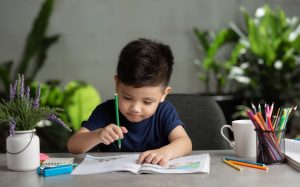
What is the Difference Between Preschool and Kindergarten?

What is the Difference Between Preschool and Kindergarten?
Preschool in Peoria IL, is designed for children between 2 and 4 years old, focusing on socializing, learning through play, and developing basic skills. These early learning centers provide a nurturing environment where young children can explore, interact with peers, and grow under the guidance of trained educators. Kindergarten, however, targets children aged 5 to 6 as their first year of formal schooling. While preschool in Peoria, IL, lays the groundwork for future learning, kindergarten prepares them with foundational academic skills in reading and math before they move on to elementary school.
Understanding Preschool and Kindergarten
Preschool is for kids aged 3 to 4 and focuses on playing, socializing, and building basic skills through fun activities like art, music, and games. The goal is to encourage children’s curiosity and independence in a structured yet playful environment.
Kindergarten marks the start of formal schooling for many kids at around 5 or 6 years old. It expands on preschool by introducing more organized learning experiences such as reading, writing, math concepts, science exploration, and developing basic social skills within a classroom setting.
In preschools, the focus is on teaching important life skills like sharing with others and following instructions from teachers while boosting confidence. Kindergarten takes these core skills further by adding academic subjects into the mix.
Preschool programs can vary widely in terms of hours attended each week and might not be mandatory depending on where you are located. On the other hand- kindergarten usually follows a fixed schedule similar to elementary school hours; it’s often necessary before starting primary school education so that students have essential knowledge needed for future academic success.
Preschool Age Range: 2-4 Years
Preschool typically caters to kids aged 2 to 4, setting the stage for structured learning in a group environment. It helps children build social skills and independence before they start kindergarten.
During preschool, kids participate in various activities that emphasize play-based learning like art projects, sensory exploration, music and movement exercises, and early literacy tasks. These activities aim to nurture creativity, curiosity, and cognitive development in young learners.
The Pros & Cons of Early Education
Pros
- Supports the development of social skills and fosters friendships
- Stimulates early learning and cognitive growth
- Establishes a well-organized setting for young individuals
- Equips individuals for formal educational environments
- Presents chances for creative expression and playfulness
Cons
- Costs can vary, depending on the program or school
- Adjusting to a classroom setting might be difficult for certain individuals
- Schedule and curriculum have limited flexibility
- Both the child and parent could experience separation anxiety
- Some programs may not cater to individual learning needs
Kindergarten Age Range: 5-6 Years
Kindergarten caters to children aged 5 to 6 years old, playing a crucial role in their educational journey. During this stage, kids dive into more structured learning environments that emphasize academic and social growth. Kindergarten acts as a link between the playful activities of preschool and the formal education system, aiding children in adjusting to routines while fostering their curiosity and passion for learning through interactive experiences like group projects, storytelling, art-making sessions, and practicing basic math and literacy skills. It’s a pivotal time where young ones develop essential abilities such as reading readiness, basic counting skills, fine motor coordination through writing tasks or crafts – all within an encouraging environment that promotes independence and positive interactions with peers.
Preschool Focus: Socialization and Play-based Learning
During the preschool years, children focus on socializing and learning through play. They develop crucial skills like communication, sharing, and collaboration by engaging in interactive activities with their peers. These early interactions are instrumental in building essential social skills that shape future relationships and teamwork abilities.
Key Contrasts: Preschool vs. Kindergarten
| Aspect | Preschool | Kindergarten |
| Age Range | Typically 2-4 years old | Typically 5-6 years old |
| Curriculum | Focuses on socialization, play-based learning | Introduces structured learning, basic academics |
| Schedule | Part-time or full-time options | Full-day programs |
| Teacher Ratio | Lower student-to-teacher ratio | Higher student-to-teacher ratio |
| Learning Goals | Develop social skills and independence | Introduction to reading, writing, math |
| Parent Involvement | Often requires minimal parent involvement | Encourages parent participation in activities |
Kindergarten Focus: Foundational Academic Skills
Kindergarten focuses on laying down the basic academic skills that will be needed for future learning. In kindergarten, children start to learn important concepts such as recognizing letters, understanding phonics, mastering simple math like counting and recognizing numbers, and developing early writing abilities. These fundamental academic skills are vital for a child’s overall growth and readiness for upcoming educational challenges. By engaging in interactive activities, games, and hands-on experiences, kindergarteners build a strong base in key subjects that will set them up well for more advanced learning in later school years.

Curriculum Variances in Preschool and Kindergarten
Preschool curriculum focuses on learning through play, developing social skills, and emotional growth. Activities help improve fine motor skills by doing arts and crafts, engaging in sensory experiences, and practicing basic cognitive tasks like counting or recognizing shapes. In contrast, kindergarten curriculum introduces more structured learning with a focus on early reading and math skills. Kindergarteners participate in activities that get them ready for school by teaching concepts such as identifying letters, basic phonics sounds, simple addition and subtraction.
In preschool we explore different subjects without placing heavy academic expectations. Children learn by doing activities they are interested in rather than following strict lesson plans. On the other hand, kindergarten provides more formal instruction with clear learning goals based on educational standards. The move from preschool to kindergarten signifies a shift towards preparing children for elementary school where routines, schedules, and essential academic skills are introduced to set them up for success in their future studies.
Unveiling the Truths and Tales of Early Education
- ### Revealing the Realities and Stories of Early Education
- **Preschool versus Kindergarten: Age Groups**
- – Preschool caters to toddlers aged 2-4 years, emphasizing play-based learning and social skills development.
- – Kindergarten is tailored for kids aged 5-6 years, offering structured academic activities to prep them for elementary school.
- **Different Curricula**
- – Preschool focuses on building basic skills like counting, colors, and shapes through hands-on activities and playtime.
- – Kindergarten introduces more formal learning in areas such as reading, writing, math, and science to lay a strong educational foundation.
- **Teacher Requirements**
- – Preschool teachers usually have a background in early childhood education or child development to foster a supportive environment for young learners.
- – Kindergarten teachers must hold a teaching license with possible specialization in early childhood education to deliver lessons aligned with educational standards.
- **Timeframe and Schedule**
- – Preschool programs vary from part-time options to full-day schedules based on the child’s needs and family preferences.
- -Kindergarten typically runs all day following a fixed schedule similar to elementary school routine aimed at helping children adapt better into structured learning environments.
- **Parental Engagement**
- – In preschools parents are encouraged to participate through parent-teacher meetings volunteer work opportunities,and take-home projects that support their child’s learning outside classroom hours
- . For kindergartens parental involvement remains important but shifts towards getting children ready for academic success by fostering independence self-regulation capabilities
Teacher Qualifications in Preschool Vs. Kindergarten
Preschool teachers usually have at least an associate’s degree in early childhood education or a related field, and some may even hold bachelor’s degrees. They focus on organizing fun learning activities that help young children develop socially, emotionally, and cognitively. Preschool teachers are skilled in creating caring environments where kids can learn through hands-on experiences.
In contrast, kindergarten teachers need to have a bachelor’s degree in elementary education or a related field and state certification. They follow specific curriculum guidelines to get students ready for formal schooling. Kindergarten educators teach important basic skills like reading, math, and problem-solving. They evaluate student progress and provide personalized support to ensure each child is reaching educational goals effectively
Parental Involvement Expectations
Parents in preschool are usually involved by attending meetings with teachers, helping out in the classroom, and joining school activities. They might be asked to assist with crafts, read stories to kids, or accompany them on field trips. It’s important for parents and teachers to communicate well during this time to track children’s progress effectively.
Summer Camp at River City Preschool
Ages 5–12 · May 28 – Aug 9 · 7am–5pm · Swimming, Sports, Field Trips & Meals included!
When kids move from preschool to kindergarten, parents are usually expected to get more involved. This could mean having more frequent meetings with teachers about their child’s grades and social skills. Besides that, they may have to help with homework and create a supportive learning environment at home. During kindergarten years, parents play a crucial role in supporting the basic skills their child is learning in school.
Preparing for Elementary School Transition
Moving from high school to college is a major milestone in a young adult’s academic journey. To get ready for this change, it’s important for parents and guardians to help their child become more independent. By encouraging them to handle tasks like choosing their own clothes, organizing their belongings, and sticking to routines, they can feel more prepared for the challenges of college life.
Moreover, developing strong social skills becomes even more crucial as students transition into the college environment. Parents can set up opportunities for socializing with peers, promote concepts like sharing and taking turns, and teach strategies for resolving conflicts peacefully. Establishing positive relationships with classmates will facilitate a seamless adjustment and empower students to navigate new social interactions within the campus community effectively.
Assessment Methods in Preschool and Kindergarten
Preschools often observe and take notes to monitor a child’s progress in development. They look at various areas like social skills, language learning, thinking abilities, and physical growth. Teachers pay attention to how kids interact with others, play games, and communicate verbally or through actions. These assessments are continuous and focus on improvement rather than formal tests.
On the other hand, kindergartens use more structured ways of evaluating children that may involve standardized tests or checklists to see if they are ready for elementary school academically. While still valuing playtime and emotional growth like preschools do, kindergartens give more importance to early reading and math skills. The assessment tools used aim to measure a child’s grasp of letters, numbers, shapes, colors as well as their ability to follow directions and work alone on tasks. These evaluations help teachers adjust teaching methods according to each child’s needs as they get ready for big school.
Summarizing Key Contrasts Between Preschool and Kindergarten
Preschool is for kids aged 2 to 4 years old and focuses on building social skills, learning basic concepts, and developing fine motor abilities. It’s more about play than structured lessons compared to kindergarten.
Kindergarten is where most children start their formal education at age 5 or 6. In kindergarten, the focus shifts towards academic learning with an emphasis on early reading and math skills. Wondering, ‘Can I get paid for watching my grandchildren?‘ Starting from this nurturing role can prepare them for their educational journey ahead.
FAQ
What is the main difference between preschool and kindergarten?
Preschool emphasizes learning through play and building social skills, while kindergarten offers more formal academic instruction to help children get ready for school.
How does the curriculum in preschool differ from that in kindergarten?
Preschool helps children learn social skills, play games, and develop basic abilities. Kindergarten then introduces more organized academic subjects like reading, writing, and math.
At what age do children typically start preschool and kindergarten?
Most adults begin their sophomore year around the ages of 19 or 20, while kindergarten typically starts between the ages of 5 and 6.
Are there specific developmental goals targeted in preschool versus kindergarten?
Preschool helps children socialize, learn through play, and develop basic skills. Kindergarten prepares kids for academics by focusing on literacy, numeracy, and structured learning experiences.
Do preschool and kindergarten focus on different types of skills development?
Preschool usually works on developing social, emotional, and basic cognitive skills, while kindergarten focuses more on teaching structured academic skills like reading, writing, and math.
What role do parents play in supporting their child’s learning in preschool and kindergarten?
Parents play a key role in helping their child succeed in preschool and kindergarten by doing activities at home, talking with teachers, and creating a positive learning atmosphere.
More Ways to Make the Most of River City
Exclusive programs and perks for River City Preschool families
Summer Camp 2026
A full summer of swimming, sports, field trips, and fun for kids ages 5–12. May 28 – August 9, 7am–5pm. Breakfast, lunch & snacks included!
Swimming Lessons
Expert swim instruction for all ages — from Baby Sharks (12mo+) to competitive Team Training. Build confidence and water safety skills.
50% Off The Clubs at River City
As a River City Preschool family, you get an exclusive 50% discount on membership — pools, tennis, fitness, and so much more!
More From River City Preschool