Social Skills Start Early: What Children Learn Before Age 5
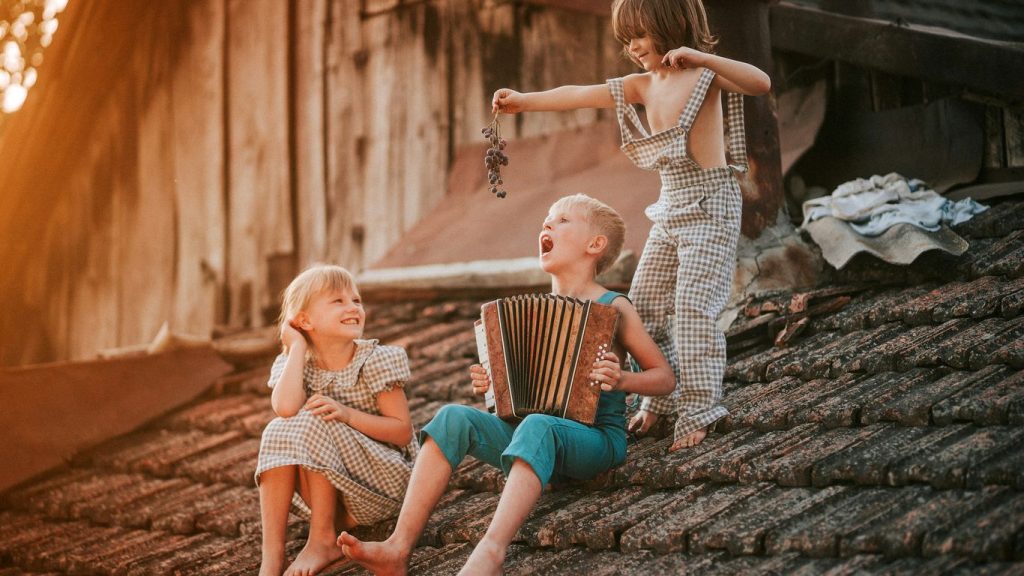
Little kids are learning a whole lot before they even hit kindergarten, especially when it comes to getting along with others. We’re talking about the early social skills development that happens way before age five. It might seem like they’re just playing, but there’s a ton going on under the surface. They’re figuring out how to talk to people, make friends, and understand feelings – theirs and other people’s. This stuff is super important for how they’ll do in school and later in life. Let’s look at what’s happening during these key early years.
Key Takeaways
- Children start building social skills from birth, learning to interact and understand others through play and daily experiences.
- Play is a child’s main way of learning social skills, moving from playing alone to playing with others and working together.
- Key social skills developed before age five include communication, sharing, taking turns, and understanding emotions.
- Early friendships and learning to get along with peers help children build confidence and independence.
- Parents and caregivers play a big role by creating chances for positive interactions and showing kindness themselves.
The Building Blocks Of Early Social Skills Development
Understanding Social Development In Early Childhood
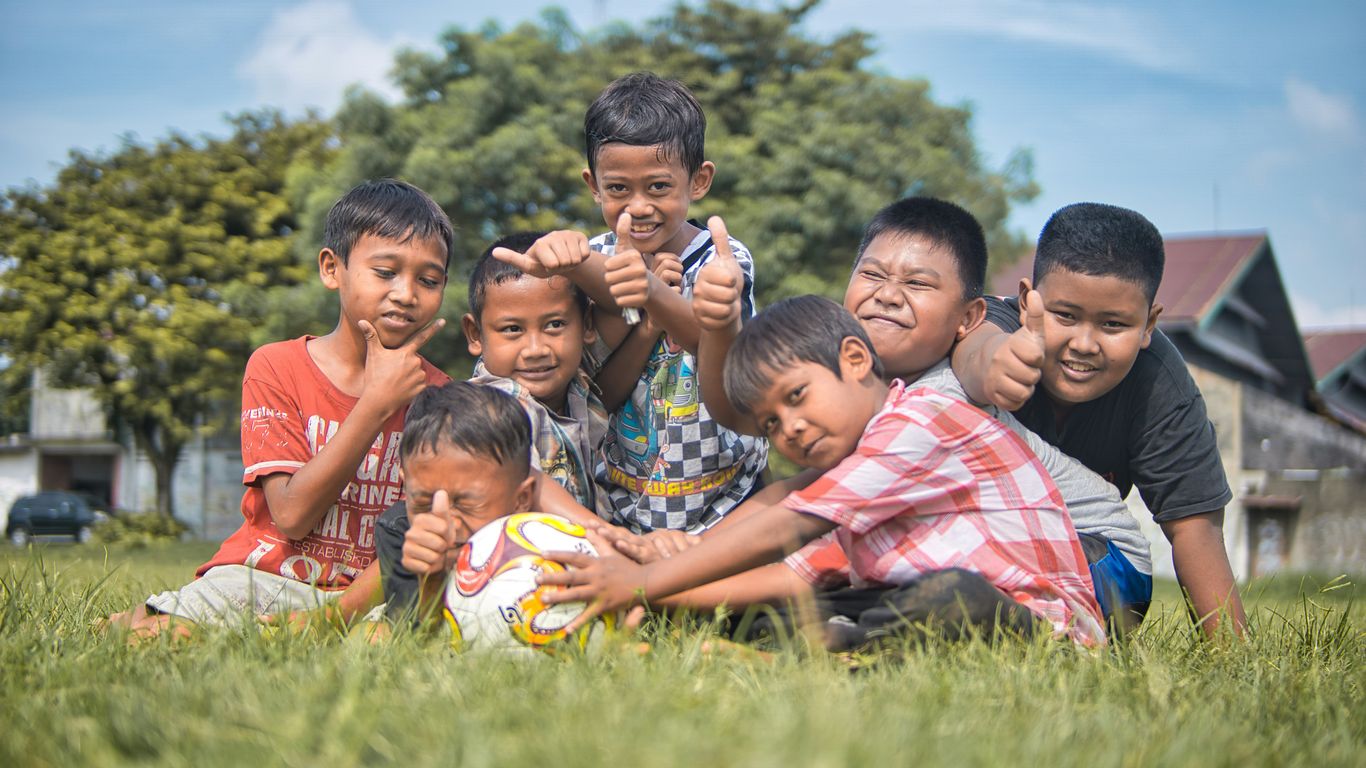
Think about how a tiny baby learns to interact with the world. It starts with simple things, like making eye contact or responding to a smile. This is the very beginning of social development, and it happens way before kids even start preschool. It’s all about how they learn to connect with people around them, understand feelings, and figure out how to get along with others. These early interactions are like laying the foundation for a house; they need to be strong to support everything that comes later. It’s not just about learning to share toys, though that’s a big part of it. It’s also about understanding that other people have feelings, learning to communicate what you need, and figuring out how to solve little problems that pop up when playing with others.
Why Early Social Skills Matter For Life
So, why is all this early social stuff so important? Well, the skills kids pick up before they turn five stick with them. Kids who get a good start with social skills tend to do better in school, make friends more easily, and generally feel more confident. They learn how to talk things out instead of getting upset, how to understand when someone else is sad or happy, and how to work as part of a team. These aren’t just ‘nice-to-have’ skills; they’re the kind of things that help people succeed in jobs and build happy relationships throughout their lives. It really sets them up for a smoother path ahead.
Key Benefits Of Nurturing Social Skills
Nurturing these social skills early on brings a whole bunch of good things. For starters, kids get better at talking and listening. They also learn patience, which is a big one, especially when it comes to sharing or waiting for their turn. Plus, they start to understand empathy – that feeling of knowing what someone else might be going through. This helps them be kinder and more thoughtful. It also builds their confidence because when they know how to interact with others, they feel more comfortable and capable in social situations. Having a good grasp of social skills can also help children manage their emotions better and feel more secure in their daily routines, which is why consistent daily patterns are so helpful.
Here are some of the main advantages:
- Better Communication: Kids learn to express themselves clearly and listen to others.
- Improved Problem-Solving: They figure out how to handle disagreements and work through challenges with friends.
- Stronger Relationships: They build connections with peers and adults based on trust and understanding.
- Increased Confidence: Successfully interacting with others boosts their self-esteem.
- Emotional Intelligence: They begin to recognize and manage their own feelings and understand those of others.
How Play Fosters Social Growth Before Age Five
Playtime isn’t just about giggles and fun; it’s actually how little ones learn to get along with others. Think of it as their first classroom for social skills. Before they even hit kindergarten, children go through different stages of play that show how they’re learning to interact. It all starts with them figuring out the world on their own and slowly, gradually, learning to play alongside and eventually with other kids.
From Solitary Play To Social Interaction
At first, babies and very young toddlers are mostly into playing by themselves. This is called solitary play. They’re busy exploring toys, their own hands, and whatever else catches their eye. It might seem like they’re not learning much socially, but they’re actually building important skills like focus and independence. They learn how to entertain themselves, which is a big deal!
The Importance Of Parallel And Associative Play
As they get a little older, around age 2 or 3, you’ll start seeing parallel play. This is when kids play next to each other, maybe with the same toys, but they aren’t really interacting. It’s like they’re in their own little worlds, but right beside each other. This is a stepping stone. Soon after, they move into associative play. Here, they start to share toys and maybe even do similar activities, like building with blocks together. They aren’t working on one big project, but they’re starting to notice each other and engage a bit more. This is where they begin to learn about taking turns and figuring things out with others.
Cooperative Play: Working Together Towards A Goal
By the time they’re around 4 or 5, many children are ready for cooperative play. This is the big leagues of play! Kids in this stage work together on a shared goal, like building a fort or playing a pretend game with roles. They have to communicate, share ideas, and solve problems as a team. It’s not always smooth sailing – there can be squabbles – but this is exactly how they learn to negotiate, compromise, and build friendships. This collaborative play is where they truly practice being part of a group.
Play provides a safe space for children to experiment with social rules and behaviors without real-world consequences. It’s through these playful interactions that they develop a sense of self, learn to understand others, and build the foundations for healthy relationships.
Essential Social Skills Children Learn
Before they even hit kindergarten, little ones are busy picking up some seriously important social skills. It’s not just about learning their ABCs; it’s about learning how to be with other people. Think of it as their first big lesson in how the world works when you’re not the only one in it.
Developing Communication and Language Abilities
This is a big one. Kids learn to talk, sure, but it’s so much more than just making sounds. They start figuring out how to get their needs met by using words, even if it’s just "mine!" or "more!". They learn to listen when someone else is talking (sometimes!) and to take turns in a conversation. It’s amazing how quickly they pick up on tone of voice and facial expressions, too. This ability to communicate effectively is the bedrock for almost every other social skill they’ll develop.
Learning to Share and Take Turns
Ah, sharing. It’s a tough one, right? For young kids, their world is very much "me." But through play and gentle guidance, they start to grasp the idea that if they share a toy, they might get a turn with someone else’s cool truck. Taking turns is similar – waiting patiently (or not so patiently!) for their chance. It teaches them about fairness and patience, two things that are pretty useful throughout life.
Here’s a little peek at how this skill grows:
- Age 2-3: Might grab toys, struggle with sharing, but can sometimes be distracted to give up a toy.
- Age 3-4: Can start to share with prompting, may engage in simple turn-taking games with help.
- Age 4-5: More willing to share, can follow rules for taking turns in games, and understand the concept better.
Building Empathy and Understanding Emotions
This is where kids start to notice how others are feeling. If a friend falls and cries, a child might look concerned or even offer a hug. They’re beginning to understand that other people have feelings, just like they do. It’s not always perfect, and they might not always know what to do, but the awareness is growing. This is the first step towards being a kind and considerate person.
Understanding emotions, both their own and others’, is a complex process. It involves recognizing feelings, learning to label them, and figuring out how to respond appropriately. This skill develops over time with lots of practice and observation.
These skills aren’t learned overnight. They’re built through everyday interactions, playdates, and even just watching the world go by. Every little success, from sharing a crayon to saying "sorry," is a step forward.
Navigating Friendships And Interactions
As little ones get older, they start to notice other kids more and more. This is when they begin figuring out how to be around others, not just playing by themselves. It’s a big step from playing solo to actually interacting with pals.
Forming Early Friendships
Around age 3 or 4, kids might start showing a preference for certain playmates. They might want to play with the same child over and over. This isn’t quite like adult friendships yet, but it’s the start of picking favorites and enjoying someone else’s company. They learn that playing with a friend can be more fun than playing alone. It’s all about shared giggles and exploring together.
Understanding Social Cues And Rules
Kids are like little sponges, soaking up how people act. They watch how others talk, how they share (or don’t share!), and what makes people happy or sad. They start to get that there are unwritten rules in play, like waiting your turn or not grabbing toys. This is how they learn the rhythm of social life. It takes time and lots of practice, often through trial and error.
Resolving Conflicts With Peers
Oh, the squabbles! When kids play together, disagreements are bound to happen. Maybe two kids want the same truck, or one doesn’t like the game the other is playing. This is where they start learning to sort things out. They might whine, cry, or even push, but with a little guidance, they can learn to use their words, compromise, or find a different toy. It’s a messy but important part of learning to get along.
Learning to handle disagreements is a big deal. It teaches kids that problems can be solved and that they can work through tough feelings with others. It builds resilience and shows them they don’t have to give up just because things get a little tricky.
Boosting Confidence Through Social Experiences
When kids start interacting with others, it’s like they’re building a little confidence muscle. Every time they successfully share a toy, make a new friend, or even just manage to say ‘hello’ to someone new, that muscle gets a little stronger. It’s not always smooth sailing, of course. There will be awkward moments and maybe a few tears, but working through those situations is where the real growth happens. These early social wins, big or small, really help shape how kids see themselves.
Summer Camp at River City Preschool
Ages 5–12 · May 28 – Aug 9 · 7am–5pm · Swimming, Sports, Field Trips & Meals included!
Think about it: when a child feels like they can connect with others, they’re more likely to try new things. They might join a group game or speak up in a classroom setting because they have a little bit of faith that they can handle it. This growing sense of capability is super important.
Gaining Independence In Social Settings
As children get more comfortable with social interactions, you’ll notice them becoming more independent. They might start playing with other kids without needing you right there, or they might be able to ask another child to play instead of waiting for an invitation. This independence is a huge step. It shows they’re learning to manage social situations on their own, which is a big confidence booster.
Developing A Positive Self-Image
Positive social experiences help kids build a good picture of themselves. When they’re included, when their ideas are heard in play, or when they make someone laugh, they start to feel good about who they are. This positive feedback loop is key. It’s not about being the best or the most popular; it’s about feeling accepted and capable.
Encouraging Self-Esteem Through Interaction
Every successful interaction, from a simple ‘thank you’ to working together on a project, adds to a child’s self-esteem. They learn that they can contribute, that their presence matters, and that they have something to offer. This builds a solid foundation of self-worth that will serve them well as they grow older and face more complex social challenges.
Here’s a look at how social interactions can build confidence:
- Trying new activities: Feeling comfortable with peers makes kids more willing to join in games or activities they haven’t tried before.
- Expressing ideas: When kids feel heard, they’re more likely to share their thoughts and opinions, even if they differ from others.
- Handling disagreements: Learning to work through small conflicts with friends teaches them they can manage difficult feelings and situations.
- Making connections: Successfully forming friendships shows them they have the ability to build relationships.
Building confidence isn’t just about big achievements; it’s about the everyday moments of connection and competence. Each small social success is a brick in the wall of a child’s self-belief.
Supporting Your Child’s Social Journey
So, your little one is starting to figure out the whole ‘people’ thing. That’s awesome! As parents, we get to be their first guides on this wild adventure of social skills. It’s not about forcing them into playdates or making them the most popular kid on the block. It’s more about creating a safe space for them to learn, stumble, and grow. Think of yourself as the coach, not the star player. You’re there to cheer them on, offer a little advice when needed, and help them understand the game of social interaction.
Creating Opportunities For Positive Interactions
This is where the magic happens. It means setting up chances for your child to connect with others. This could be as simple as a playdate with a neighbor’s kid, a trip to the park, or joining a local library story time. The key is exposure to different personalities and situations. Don’t worry if they don’t become instant best friends; even just observing and interacting briefly is a win. It’s about letting them practice saying ‘hello,’ sharing a toy (even if it’s a struggle at first!), or just being around other children.
Here are a few ideas:
- Playdates: Keep them short and sweet, especially at first. Focus on one or two children who seem to get along well.
- Group Activities: Think music classes, toddler gym, or art groups. These offer structured fun with built-in social practice.
- Family Gatherings: Cousins, aunts, uncles – these are all opportunities for your child to interact with a wider circle.
Encouraging Open Communication
Talk to your child about their social experiences. Ask them about their day, who they played with, and what they did. Listen more than you talk. If they had a tough time, don’t jump in with solutions right away. Instead, try asking questions like, ‘How did that make you feel?’ or ‘What do you think you could do next time?’ This helps them process their feelings and think through social scenarios. It’s also a great time to introduce simple vocabulary for emotions – happy, sad, mad, frustrated.
Sometimes, kids just need a moment to figure things out on their own. Your job is to be a patient observer, ready to step in with a gentle question or a helping hand if things get really stuck. It’s a delicate balance, but so important for their growth.
Modeling Kindness And Empathy
Kids are sponges, and they learn so much by watching us. How you interact with others – your partner, friends, cashiers, even strangers – sends a powerful message. Be mindful of your own social behavior. Show them what it looks like to be polite, to listen, to share, and to be understanding when someone makes a mistake. When you see someone struggling, point it out and talk about how you might help. This kind of everyday modeling is one of the most effective ways to teach social skills. It’s not just about what you say, but what you do.
Helping your child make friends and understand social cues is a big part of growing up. It’s a journey filled with learning and discovery. We offer resources and support to guide you and your child through these important social steps. Visit our website today to learn more about how we can help your child thrive socially!
It All Adds Up!
So, as you can see, those early years before kindergarten are a really big deal for how kids learn to get along with others. From just watching other kids play to actually joining in and making up games together, every step is important. These aren’t just random moments; they’re building blocks for sharing, talking, understanding feelings, and solving little problems. It’s pretty amazing how much kids figure out just by playing and being around other people. Keep encouraging that playtime, and you’re setting them up for smoother friendships and easier days ahead.
Frequently Asked Questions
Why is it important for kids to learn social skills before they turn 5?
Learning social skills early on is like building a strong foundation for a house. These skills help kids understand how to get along with others, share, communicate their needs, and even understand how others feel. This makes it easier for them to make friends, do well in school, and feel good about themselves as they grow up.
How does playing help young children develop social skills?
Play is a child’s natural way of learning! When kids play together, even if it’s just side-by-side at first, they start to learn about sharing, taking turns, and solving little problems that pop up. As they get older, they learn to work together on games or make-believe adventures, which really boosts their teamwork and communication skills.
What are some key social skills children learn before age 5?
Before they start kindergarten, children learn a lot! They learn how to talk and listen better, which helps them express themselves and understand others. They also learn the important skill of sharing and waiting for their turn. Plus, they start to understand feelings – their own and those of their friends – which is the beginning of empathy.
How can parents help their children make friends?
Parents can help by creating chances for their kids to meet and play with other children. This could be through playdates or group activities. It’s also helpful to talk to your child about how to be a good friend, like being kind and listening. Sometimes, just being nearby and offering gentle guidance when needed is enough.
What is ’empathy’ and why is it important for young kids?
Empathy is like being able to step into someone else’s shoes and understand how they might be feeling. For young kids, learning empathy means they start to notice when a friend is sad or happy and can respond kindly. This helps them build caring relationships and become more understanding people.
How can I encourage my child to be more confident in social situations?
Confidence grows with positive experiences. Encourage your child to try new social activities, even if they seem a little shy at first. Celebrate their successes, no matter how small, like sharing a toy or saying hello to someone new. When children feel supported and see they can handle social interactions, their confidence naturally grows.
More Ways to Make the Most of River City
Exclusive programs and perks for River City Preschool families
Summer Camp 2026
A full summer of swimming, sports, field trips, and fun for kids ages 5–12. May 28 – August 9, 7am–5pm. Breakfast, lunch & snacks included!
Swimming Lessons
Expert swim instruction for all ages — from Baby Sharks (12mo+) to competitive Team Training. Build confidence and water safety skills.
50% Off The Clubs at River City
As a River City Preschool family, you get an exclusive 50% discount on membership — pools, tennis, fitness, and so much more!
More From River City Preschool


